
Electric Bikes and the Quiet Reshaping of the City Commute
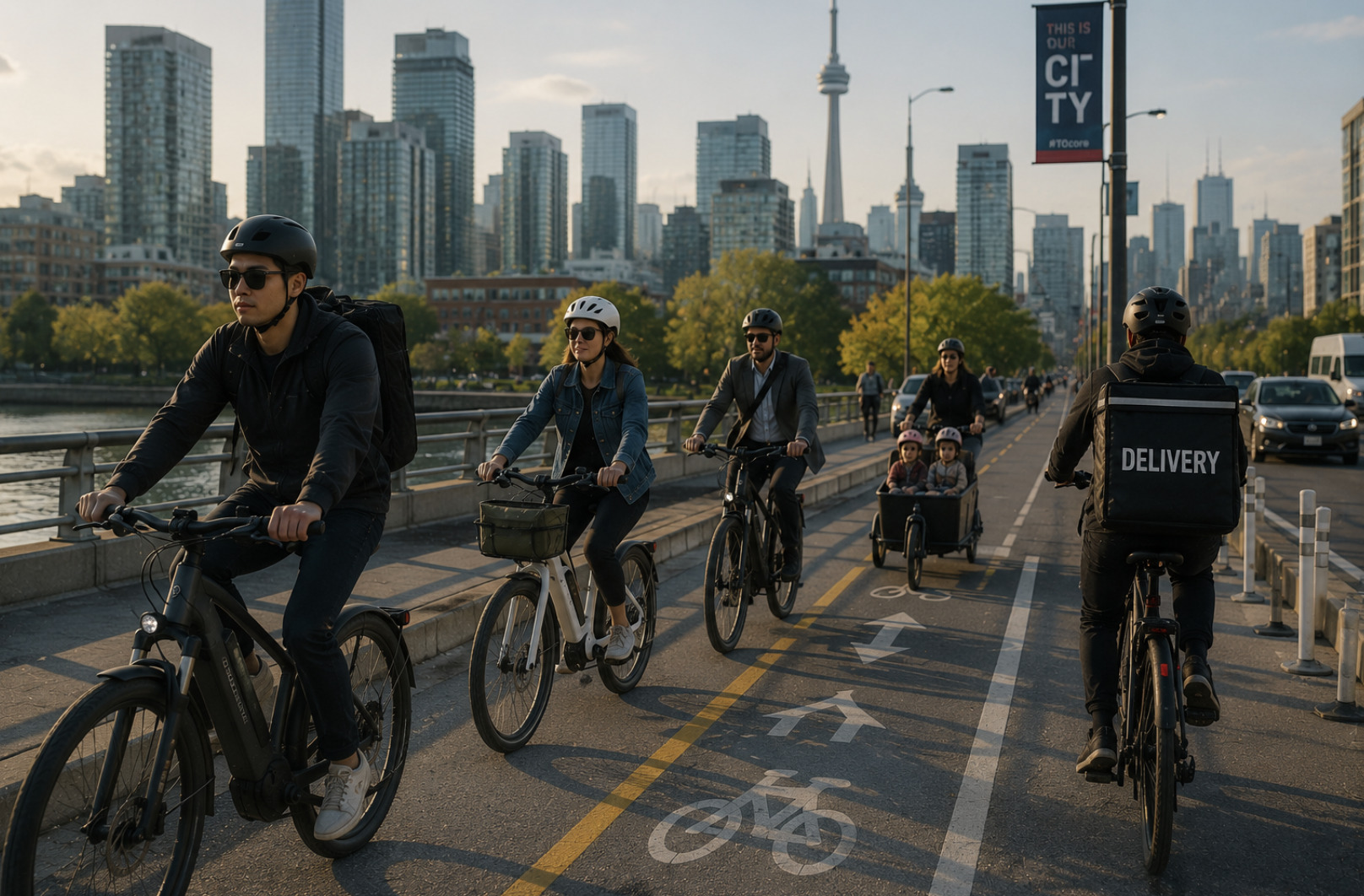
Not every technological shift arrives with a splashy launch and a keynote. Some show up gradually, in the shape of more and more people on the street doing an ordinary thing a little differently — and the electric bike is one of these. Over the past few years, e-bikes have gone from a novelty to a common sight on city streets, ridden by commuters, delivery workers, parents hauling children and older riders who thought their cycling days were behind them. It is easy to dismiss them as bicycles with a battery bolted on, but that undersells what is happening. The e-bike is quietly reshaping who cycles, how far, and what a city commute can be.
What an electric bike actually is
An electric bike is, at its core, a normal bicycle with an added electric motor and a battery that assist the rider's own pedalling. The crucial word is "assist." On the most common type of e-bike, the motor does not replace your effort; it amplifies it. You still pedal, and the system adds power in proportion to what you put in, so that each push of the pedals carries you further and more easily than it would on an ordinary bike. Riders can usually choose how much help they want, from a gentle boost to a strong push, and the assistance typically tapers off once the bike reaches a certain speed.
This design is what makes e-bikes feel so natural rather than like small motorcycles. You experience the familiar act of cycling, just with the hills flattened and the distances shrunk. The battery recharges from an ordinary outlet, and a charge covers a range that comfortably handles most commutes before needing a top-up. Understanding this pedal-assist principle is the key to understanding the appeal: an e-bike is not about avoiding effort but about removing the specific barriers — steep climbs, long distances, arriving sweaty — that keep many people from cycling in the first place. Anyone weighing one against a conventional bike will find the trade-offs laid out in how to choose the right bike for you.
Who the technology actually helps
The most interesting thing about e-bikes is not the engineering but who they bring onto a bike. Conventional cycling, for all its virtues, quietly excludes a lot of people. Someone facing a long or hilly commute, an older rider whose knees no longer welcome hard climbs, a person who is not especially fit, a parent who needs to carry kids and cargo, a worker who cannot show up drenched in sweat — for all of them, an ordinary bicycle is a hard sell. The e-bike changes that calculation, because the assistance neutralises exactly the obstacles that stood in the way.
This is why e-bikes tend to widen the cycling population rather than simply upgrade existing cyclists. They make a ten-kilometre commute feel like a five-kilometre one, turn an intimidating hill into a non-event, and let riders arrive fresh. They allow cargo models to replace car trips for errands and school runs. And they extend cycling years, giving older riders a way to keep moving that their bodies can sustain. In each case the technology is not creating a new sport but lowering a barrier, inviting in people for whom regular cycling was never realistic. That widening of access, more than any single feature, is what gives the e-bike its quiet significance.
What it means for the city
Scale this shift up across a city and the implications grow interesting. Many urban car trips are short — the kind of distance an e-bike covers easily — and every one of those trips shifted from a car to a bike is one less vehicle adding to congestion, emissions and the demand for parking. E-bikes expand the practical range of cycling to the point where they become a genuine alternative to driving for a large share of everyday journeys, not just for the fit and the dedicated. A city where a broad cross-section of people can comfortably cycle is a different city: quieter, cleaner and less clogged.
There are real questions that come with the growth, and an honest look has to include them. Faster, heavier bikes sharing space with pedestrians and slower cyclists raise reasonable concerns about safety and about the design of paths and lanes. Cities are still working out sensible rules, and good infrastructure matters more than ever as more and faster bikes take to the streets. These are the ordinary growing pains of a technology finding its place, not reasons to dismiss it. The direction of travel is clear: e-bikes are pushing cities to take cycling seriously as mainstream transport rather than a fringe hobby, and that pressure tends to make streets better for everyone on two wheels.
A small machine with a large effect
It would be easy to overstate the e-bike, and easy to understate it. It is not going to empty the roads of cars overnight or solve urban transport on its own. But it is doing something genuine and underappreciated: taking the considerable benefits of cycling — cheap, healthy, space-efficient, clean — and extending them to millions of people who were effectively locked out by distance, terrain, age or fitness. That is a larger achievement than the modest appearance of a bike with a battery would suggest.
The quiet nature of the change is part of what makes it easy to miss. There is no single moment when the e-bike arrives; there is just a steady increase in the number of people for whom cycling has become possible, and a slow shift in what a normal commute looks like. For anyone thinking about how they move through their own city, the e-bike is worth a serious look, because it removes the very reasons people usually give for not cycling. And for cities themselves, the growing stream of assisted riders is a signal worth heeding — a sign that, given the right tools, far more people will choose the bike than anyone expected.

Daniel Hughes
Sustainability & Policy Correspondent
Daniel is interested in how environmental policy translates into real urban change. He specializes in sustainable mobility, climate-focused city planning, and the political frameworks behind transport systems. His writing brings together data, policy analysis, and on-the-ground impact, offering a clear view of how sustainability initiatives affect everyday urban life.
Advertise With Toronto Union 24
Reach over 500,000 engaged Canadian readers monthly. Premium placements available for Q2 2026.
Learn More Ethan Walker