
Toronto’s Office Market Reinvents Itself Amid Crisis, Cost Pressures and Shifting Work Culture
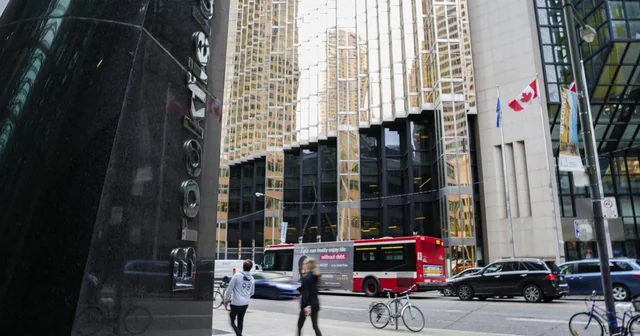
Toronto’s commercial real estate sector is navigating a complex recovery, shaped by post-pandemic work patterns, rising costs, and unexpected disruptions such as high-profile office fires that have drawn attention to the fragility of aging infrastructure. Beneath the headlines, however, lies a deeper transformation: the country’s largest office market is not collapsing—it is evolving into a more polarized, experience-driven ecosystem.
In recent months, incidents involving major office buildings have underscored both physical and financial vulnerabilities in Canada’s commercial core. Yet, these events are only a surface symptom of broader structural changes. Toronto’s office sector is being reshaped by hybrid work, tenant expectations, and a decisive shift toward premium spaces, even as older buildings struggle to remain relevant.
In this turbulent environment, where landlords face vacancies and businesses grapple with rising rents and uncertainty, digital escapes are increasingly part of modern urban life. Platforms like Spinboss Casino site emerge as a kind of island of freedom and entertainment—a contrast to the pressure-filled world of commercial real estate and corporate recalibration.
A Market Divided. Premium Growth vs. Obsolete Space
Toronto’s office market in 2025–2026 tells a story of divergence rather than decline. Vacancy rates have improved significantly in top-tier buildings, particularly in the downtown core, where demand has rebounded strongly. Class A vacancy in Toronto dropped to roughly 12.6% by late 2025, a notable improvement from over 16% a year earlier.
At the same time, overall vacancy remains elevated—hovering around 17% in some estimates—because older Class B and C buildings are being left behind. These properties, often built decades ago, lack the amenities, sustainability features, and flexible layouts that modern tenants demand.
This has led to what industry experts call a “flight to quality.” Companies are not necessarily reducing office space—they are upgrading it. Premium towers with strong transit access, advanced infrastructure, and lifestyle amenities are attracting tenants even at higher rents.
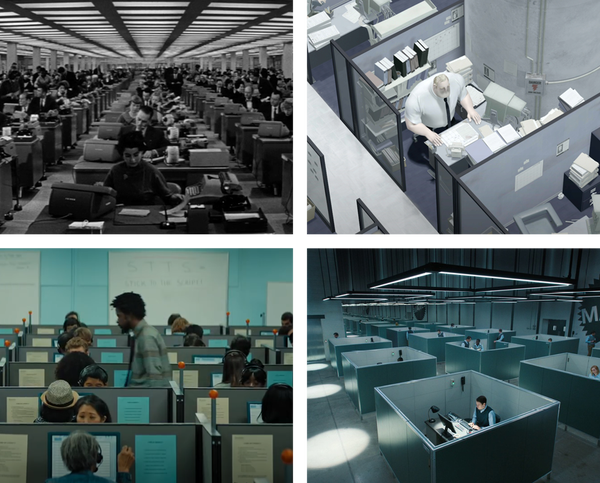
Prices, Demand and the Return-to-Office Effect
Contrary to early pandemic predictions, office demand in Toronto is stabilizing and, in some segments, growing. Return-to-office mandates from major employers—particularly banks and large tech firms—are driving renewed leasing activity.
This shift is reflected in absorption levels: 2025 marked one of the strongest years for office space uptake in Toronto since before the pandemic. At the national level, vacancy rates have also been declining steadily, reaching around 13.9% by the end of 2025.
However, pricing dynamics remain uneven. Prime office rents have held firm or even increased in desirable buildings, while older properties face downward pressure or require costly renovations to stay competitive. This imbalance is creating a “K-shaped” recovery, where success depends heavily on asset quality and location.
Another factor influencing prices is limited new supply. Many office development projects were paused or cancelled during the pandemic, and few new buildings are entering the market. This scarcity is now supporting rental stability in high-end segments while exacerbating challenges for outdated inventory.
Beyond economics, the definition of an office is changing. Today’s tenants prioritize more than square footage—they seek environments that foster collaboration, employee well-being, and brand identity.
Modern office buildings in Toronto increasingly feature amenities such as fitness centers, lounges, and integrated retail spaces. These additions are not superficial; they are strategic tools to encourage employees to return to physical workplaces.
Employers are also rethinking layouts, favoring flexible and hybrid-friendly designs. Instead of maximizing desk density, companies are investing in meeting spaces, social areas, and technology-enabled environments that support both in-person and remote work.
This transformation reflects a broader cultural shift. The office is no longer just a place to work—it is a destination that must compete with the comfort and convenience of home.
What Comes Next for Toronto
Looking ahead, Toronto’s office market is expected to continue its gradual recovery, but with persistent disparities. Experts predict that vacancy rates will continue to decline in premium segments while remaining elevated in older buildings.
Some underperforming properties may face conversion into residential or mixed-use developments, a trend already emerging in North American cities. Others may require significant reinvestment to meet evolving standards.
Ultimately, Toronto’s office sector is not in decline—it is undergoing a fundamental reset. The combination of shifting work habits, economic pressures, and changing tenant expectations is forcing a redefinition of value in commercial real estate.
In this new landscape, resilience belongs to those who adapt: landlords who modernize, companies that rethink space, and a city that continues to reinvent itself amid uncertainty.

Daniel Hughes
Sustainability & Policy Correspondent
Daniel is interested in how environmental policy translates into real urban change. He specializes in sustainable mobility, climate-focused city planning, and the political frameworks behind transport systems. His writing brings together data, policy analysis, and on-the-ground impact, offering a clear view of how sustainability initiatives affect everyday urban life.
Advertise With Toronto Union 24
Reach over 500,000 engaged Canadian readers monthly. Premium placements available for Q2 2026.
Learn More