
Canada's Housing Crisis at One Year of Carney — What the Government Did, What It Promised, and What Canadians Are Actually Experiencing
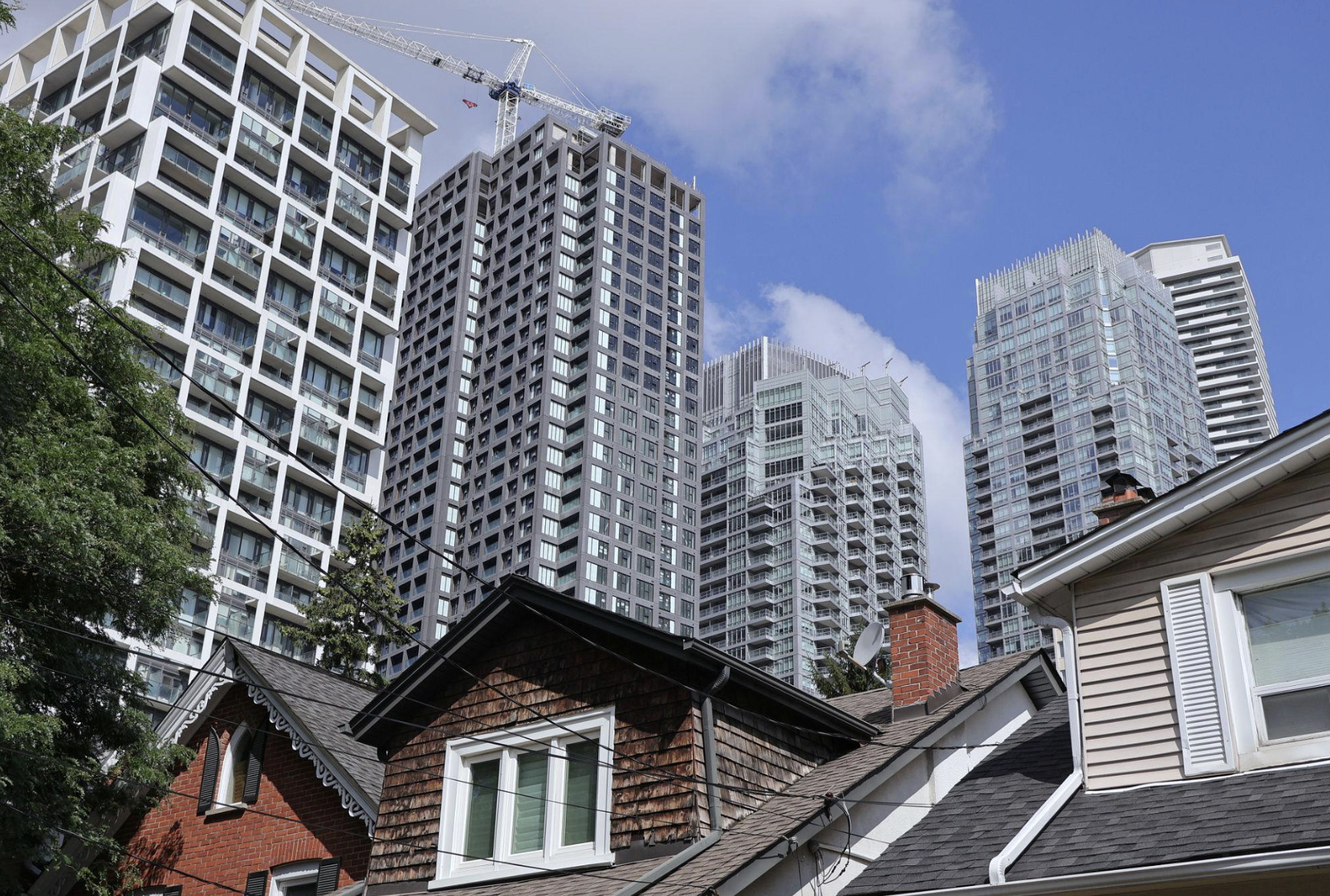
One year into the Carney government, the numbers on housing tell a story that neither the Liberals nor their critics are fully willing to tell honestly.
The Angus Reid Institute surveyed Canadians on the government's first-year performance in late April 2026. The results were specific: 67 percent of Canadians said the government had fallen short on improving housing affordability. Seventy percent said the same about addressing the high cost of living. These are the two issues on which Mark Carney ran — the two issues his campaign framed as the defining failures of the previous Conservative government and the defining opportunity for a new Liberal administration. One year in, a supermajority of Canadians think they have not been addressed.
This is not a simple verdict, and it does not mean nothing has been done. The Carney government has moved faster on housing policy than any federal government in recent memory. The question is whether what has been done matches what was promised, whether the timeline is honest, and whether the structural problems in Canadian housing have been accurately described to the people living inside them.
What Has Actually Been Done
The list of actions in the first year is real and should be acknowledged before it is assessed.
Build Canada Homes, the federal agency created to scale affordable housing supply using public land and modern construction methods, launched in September 2025 and has moved into active project delivery. Ottawa City Council approved a federal-municipal partnership in April 2026 for multiple affordable housing developments, with construction on several projects scheduled for fall 2026. The Ottawa projects represent approximately 680 units of non-profit housing — real supply, from real decisions, moving into the construction pipeline.
The Ontario deal signed in March 2026 is the most significant policy action of the year. The federal-provincial agreement includes waiving GST and HST on new housing construction, cutting development charges in half for three years on new builds, and creating a rebate structure that Carney says could generate savings of up to $200,000 for buyers in many Ontario markets. Carney announced in Vancouver on May 20 that similar negotiations are underway with the B.C. government.
The federal budget committed more than $13 billion over five years for affordable housing supply. A $1.3 billion fund was established to purchase unsold GTA condominiums and convert them to rentals — addressing a specific market distortion where developers have completed units that remain vacant while the rental vacancy rate in Toronto sits near historic lows.
These are not symbolic gestures. They are policy actions with real consequences.
What the Numbers Say About Where Things Actually Stand
Carney has said publicly that housing affordability is already improving — that asking rents across Canada are at their lowest level in nearly three years. The Hub, a centre-right policy publication that has been fact-checking the government's claims, rated that statement misleading: while some rent indices have softened from their 2023-2024 peaks, the improvement is from levels that were historically catastrophic, not from any return to anything resembling affordability.
The Fraser Institute's data is more precise. The average mortgage payment for a typical Canadian home increased from 29.9 percent of median family after-tax income in the early 2010s to 56.6 percent by 2023. Median rent in Canada's largest cities moved from 19.8 percent to 23.5 percent of median after-tax family income over the same period. Home prices in 2026 remain well above where they were a decade ago. There has been some softening — GTA condo prices have fallen 29.6 percent from their February 2022 peak, according to TRREB data — but the buyers who purchased at those peaks are underwater, and the buyers now entering the market are not entering an affordable market. They are entering a less unaffordable one.
The mortgage-to-income ratio tells the clearest story: at 56.6 percent of median income, housing is consuming a share of Canadian family budgets that leaves inadequate room for retirement savings, for childcare, for the kind of financial resilience that characterises a healthy middle class. The Carney government's policies, if fully implemented and if housing supply responds as projected, would address this problem over a period of years. They will not address it before the next federal election.
The Supply Problem and Its Honest Timeline
The supply crisis in Canadian housing is structural. Canada has been building fewer homes per capita than peer nations for decades. The infrastructure required for new housing — transit, roads, water, sewage — has not been built in anticipation of housing demand. The trades workforce required to accelerate construction has been depleted by years of underinvestment in apprenticeship programs.
The Carney government's housing policy is, for the most part, correctly diagnosed. The Ontario deal addressing development charges is directly responsive to one of the most significant cost drivers in new construction. The Build Canada Homes agency is designed to bring federal land assets into the supply pipeline in ways that previous governments left on the table. The GST and HST exemptions for new construction reduce financial barriers that previous policy created.
The honest limitation is time. A housing project approved in April 2026 and breaking ground in fall 2026 will not deliver units until 2028 at the earliest, and typically 2029 or later for larger developments. The policies being implemented now will produce measurable supply improvement on a timeline of three to five years, not one year.
Carney has not been entirely honest about this timeline. His public framing — that housing affordability is already improving — is technically defensible as a statement about rent indices from a specific peak, but it creates an impression of progress that the mortgage-to-income ratio does not support. A family trying to save a down payment in Toronto in May 2026 is not experiencing improving affordability in any way they would recognise.
The Trade War Complication
The housing affordability story cannot be told in 2026 without acknowledging the trade war context.
The tariff conflict with the United States that began in February 2025 has produced layered economic effects in Canada that complicate the housing picture. GDP growth in Ontario and Quebec — the two provinces with the largest housing markets and the most acute affordability crises — is expected by RBC to be at the bottom of all provinces in 2026, specifically because those economies have the highest exposure to US tariffs on steel, aluminum, motor vehicles, and manufactured goods.
Lower economic growth in Ontario is directly relevant to housing demand and to the fiscal capacity of provincial and municipal governments to invest in infrastructure for new development. It is also relevant to the employment security of the workers whose ability to purchase or rent is the other side of the affordability equation.
The Carney government has managed the trade relationship better than Canadians expected — 56 percent said in the Angus Reid survey that the government had met or exceeded their expectations on the US relationship. That approval has not translated into the kind of economic momentum that housing supply and demand dynamics require. Two million Canadian jobs depend on goods exports to the United States, and while employment has held up better than projected, the uncertainty created by ongoing tariff volatility has suppressed the business investment that builds new capacity, including housing capacity.
What Canadians Are Actually Experiencing
The policy documents and the macroeconomic analysis tell one part of the story. The lived experience of Canadians trying to find housing in 2026 tells another.
In Toronto, the average asking rent for a one-bedroom apartment remains above $2,200 a month. In Vancouver, similar figures apply. The condo price decline — significant in percentage terms from the 2022 peak — does not translate into accessible ownership for first-time buyers whose incomes have not risen proportionally and whose required down payments, even on reduced-price units, require years of saving that the monthly rental burden makes impossible.
The people most directly affected are not the homeowners whose asset values have declined from speculative peaks. They are the renters in their late twenties and thirties whose housing costs consume the fraction of income that previous generations used to save for ownership, for retirement, for family formation. Carney's government is building the right policies. It is not building them fast enough to help the people for whom the problem is most acute right now.
The 67 percent who told Angus Reid the government has fallen short on housing affordability are not wrong. They are reporting accurately on their experience.
What the Next Year Requires
The government's credibility on housing will be tested in the next twelve months on two fronts.
First: whether the Ontario model — GST and HST relief, development charge cuts, infrastructure financing — gets implemented and produces measurable acceleration in building permits and housing starts. The deal was announced in March. The provinces and municipalities that were promised reform need to see the administrative machinery move.
Second: whether the B.C. negotiations that Carney publicly committed to in Vancouver on May 20 produce a similar deal before the fall fiscal update. Vancouver's affordability crisis is as severe as Toronto's. A federal-provincial framework that works in Ontario and fails in B.C. is a partial solution to a national problem.
The Carney government has the right diagnosis and, largely, the right tools. The test is whether the speed of implementation matches the urgency of the problem — and whether the public communication about the timeline is honest enough that Canadians can calibrate their expectations accordingly.
At one year, the honest assessment is: moving in the right direction, not fast enough, and not yet willing to say that out loud.

Liam Carter
Street Culture & Nightlife Journalist
Liam focuses on the cultural layer of urban life — music, street scenes, and the rhythm of cities after dark. He writes about how cycling, nightlife, and creative communities intersect, shaping new forms of social interaction and identity. His work has been featured in independent media platforms and urban culture publications, where he has covered festivals, underground scenes, and emerging city trends.
Advertise With Toronto Union 24
Reach over 500,000 engaged Canadian readers monthly. Premium placements available for Q2 2026.
Learn More Daniel Hughes