
Canada Resets Its US Strategy as Mark Carney Forms New Economic Advisory Council
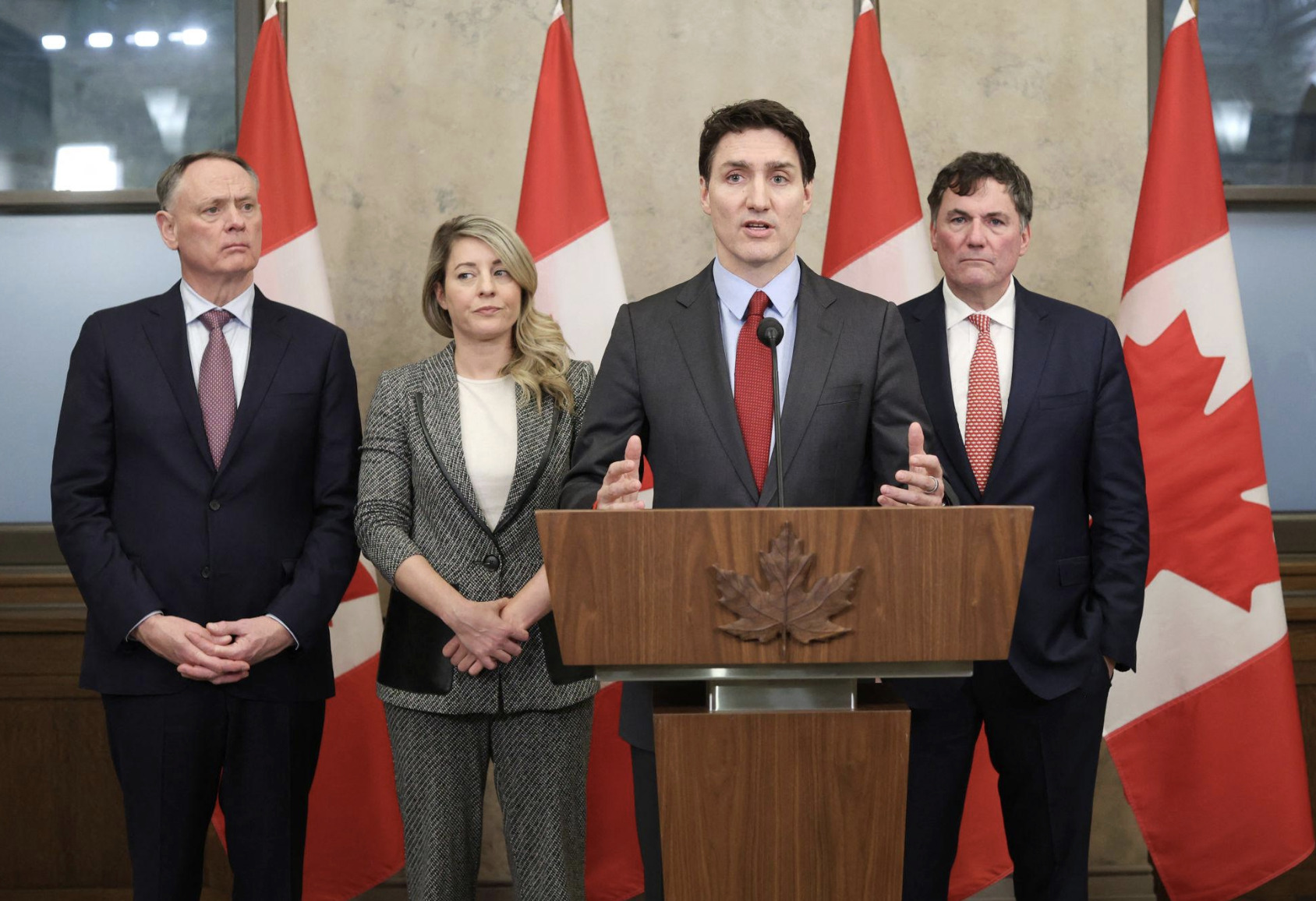
Canada is recalibrating one of its most critical relationships. Prime Minister Mark Carney has officially announced the formation of a new advisory council focused on economic relations between Canada and the United States, a move that reflects both urgency and strategic repositioning at a time of mounting global uncertainty.
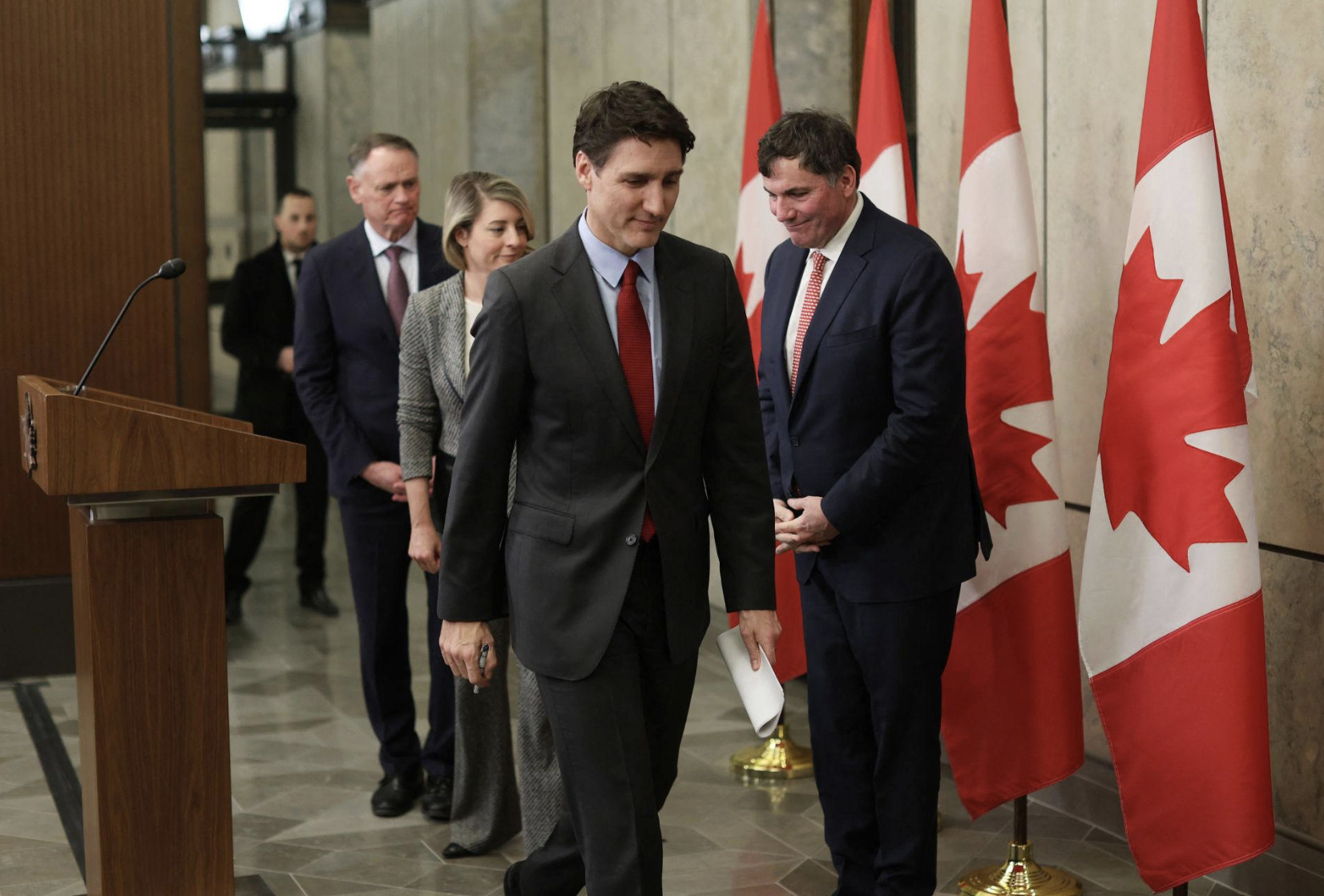
The initiative arrives against a backdrop of intensifying trade tensions, shifting supply chains, and a broader reassessment of North American economic integration. With tariffs continuing to affect key industries and negotiations around the Canada–United States–Mexico Agreement (CUSMA) approaching a crucial review deadline, Ottawa is signaling that coordination between government, industry, and policy veterans will be central to its next phase.
A Council Built for Complexity
According to the official statement, the newly formed committee is designed to function as a high-level platform for expert input and strategic alignment. Its mandate extends beyond immediate trade disputes, aiming to address “all aspects of the Canada–U.S. economic relationship,” a scope that includes manufacturing, energy, infrastructure, labor, and emerging geopolitical risks.
The council will be chaired by Dominic LeBlanc, who will oversee discussions and coordinate policy recommendations. His role places him at the center of a structure that blends private sector leadership with political experience, creating a hybrid advisory model increasingly common in modern economic governance.
What distinguishes this council is not just its existence, but its composition.
Industry Voices at the Core
A significant portion of the advisory body is drawn from sectors directly impacted by tariffs and cross-border trade friction. Leaders from aluminum, steel, automotive manufacturing, agriculture, and forestry are all represented, reflecting the breadth of Canada’s export-dependent economy.
Figures such as Jean Simard of the Canadian aluminum industry, Flavio Volpe from the automotive parts sector, and executives from companies like Nutrien and ArcelorMittal Dofasco bring operational insight into how policy decisions translate into real economic outcomes. Their presence suggests that the council is not intended as a symbolic body, but as a mechanism for translating industry realities into actionable policy.
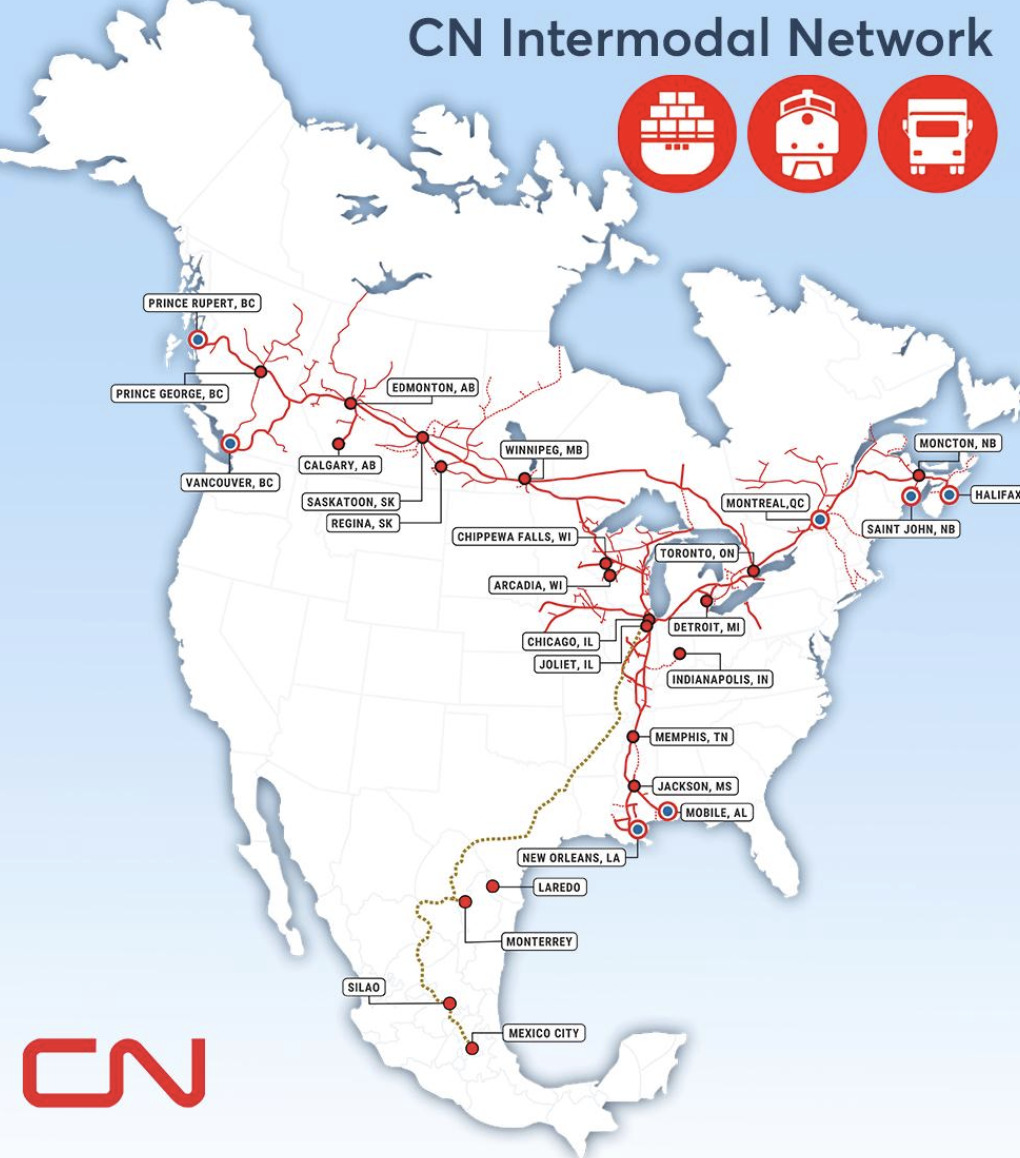
The inclusion of transportation and logistics leadership, including senior figures from Canadian National Railway and TC Energy, further underscores the importance of infrastructure in the Canada–U.S. corridor. Trade, in this context, is not abstract — it is physical, continuous, and deeply tied to the movement of goods across borders.
Political Experience and Strategic Memory
Alongside industry leaders, the council includes a number of prominent former political figures, particularly from the Conservative Party. Names such as Erin O'Toole and Jean Charest bring a layer of institutional memory that extends beyond current policy cycles.
Their presence reflects a deliberate effort to depoliticize the advisory process, or at least to broaden its perspective. By incorporating voices from across the political spectrum, the government appears to be aiming for continuity in its approach to U.S. relations — a recognition that economic strategy must outlast electoral timelines.
Former diplomats and senior officials, including figures with experience in international relations and national security, add another dimension. Trade policy today cannot be separated from geopolitical considerations, and the council’s composition acknowledges this shift.
Labor, Indigenous Business, and Cultural Sectors
Notably, the council is not limited to corporate and political elites. Labor representation, through leaders such as the head of Unifor, ensures that workforce concerns remain part of the conversation. This inclusion reflects ongoing debates around job security, automation, and the social impact of trade agreements.
Equally significant is the presence of Indigenous business leadership, represented by executives from national Indigenous economic organizations. Their inclusion signals an evolving understanding of economic development in Canada, one that increasingly recognizes Indigenous participation as integral rather than peripheral.
The addition of cultural figures, including leadership from institutions such as the Toronto International Film Festival, may appear unconventional at first glance. However, it reflects the expanding definition of economic relations, where creative industries, intellectual property, and digital distribution play a growing role in cross-border exchange.
A Response to Pressure
The creation of the advisory council is not occurring in a vacuum. It is, in part, a response to mounting pressure from both domestic stakeholders and international counterparts.
Conservative leader Pierre Poilievre has publicly stated that while the initiative is welcome, it must lead to concrete action. His remarks echo a broader sentiment within the business community: consultation alone is no longer sufficient.
At the same time, signals from Washington suggest that negotiations may face delays. U.S. Trade Representative Jamieson Greer has indicated that resolving all outstanding trade issues before the July 1 CUSMA review deadline is unlikely. Earlier statements have also pointed to Canada lagging behind Mexico in certain negotiation areas, adding further urgency to Ottawa’s efforts.
Beyond Trade: A Changing Global Context
Carney’s announcement also aligns with a broader narrative emerging from Canadian leadership — one that frames the global environment as increasingly fragmented and unpredictable. Supply chains are being restructured, alliances are shifting, and economic security is becoming as important as economic growth.
In this context, the Canada–U.S. relationship remains foundational, but it is no longer static. It must be actively managed, continuously negotiated, and strategically redefined.
The advisory council represents one attempt to do exactly that.
What Comes Next
While the formation of the council marks an important step, its effectiveness will ultimately depend on implementation. The challenge lies not in identifying issues, but in translating recommendations into policy that can navigate both domestic constraints and international realities.
The coming months, particularly in the lead-up to the CUSMA review, will serve as a test of this approach. Whether the council can move beyond consultation and influence tangible outcomes remains to be seen.
A Strategic Moment for Canada
What is clear, however, is that Canada is entering a period of recalibration. The traditional assumptions underpinning its economic relationship with the United States are being questioned, and new frameworks are beginning to emerge.
The advisory council is not a solution in itself.
It is a signal.
A signal that the country recognizes the scale of the challenge, and is attempting to respond with a structure that reflects the complexity of the moment.
In an increasingly interconnected yet divided world, that recognition may prove to be as important as any single policy decision.

Oliver Grant
Travel & Active Lifestyle Writer
Oliver explores cities through movement, focusing on cycling as a way to experience culture, architecture, and local identity. He writes about bike travel, urban routes, and active lifestyles, combining storytelling with practical insight. His work has been recognized in digital travel journalism circles, where he has contributed to features on European cycling culture and experiential travel trends.
Advertise With Toronto Union 24
Reach over 500,000 engaged Canadian readers monthly. Premium placements available for Q2 2026.
Learn More Liam Carter
  Aila Kenuak