
WestJet Cuts Flight Capacity as Fuel Prices Surge Amid Iran Conflict
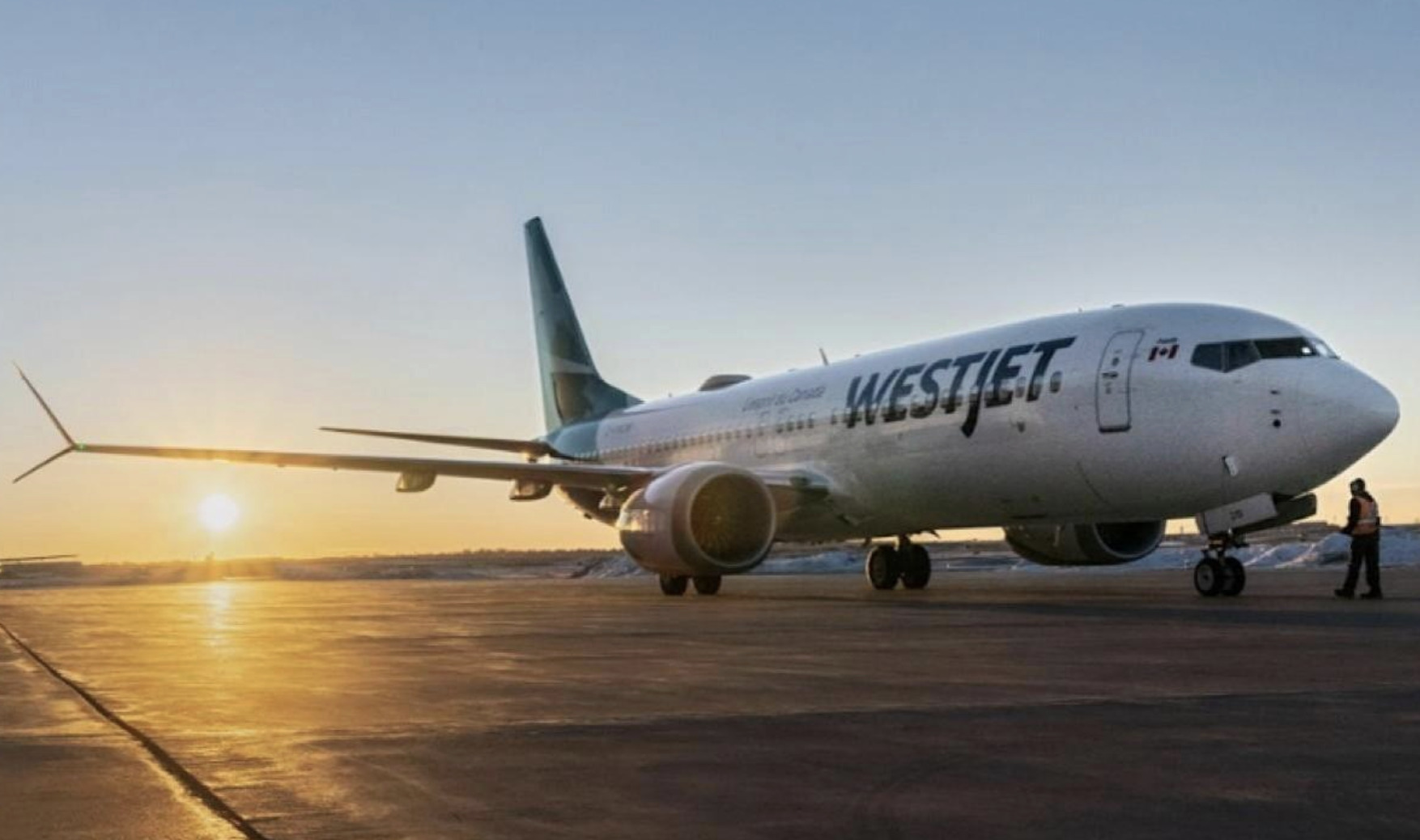
Canada’s aviation sector is entering a period of recalibration as rising fuel costs begin to reshape airline operations. Calgary-based WestJet has confirmed a series of capacity reductions across its network, citing a sharp increase in jet fuel prices linked to geopolitical tensions in the Middle East.
The announcement reflects a broader shift across the global airline industry, where fuel volatility is once again becoming a central operational constraint. For passengers, the immediate impact may appear limited, but the structural implications are more significant, pointing toward a summer season defined by tighter schedules, higher costs, and reduced flexibility.
Gradual Cuts, Strategic Adjustments
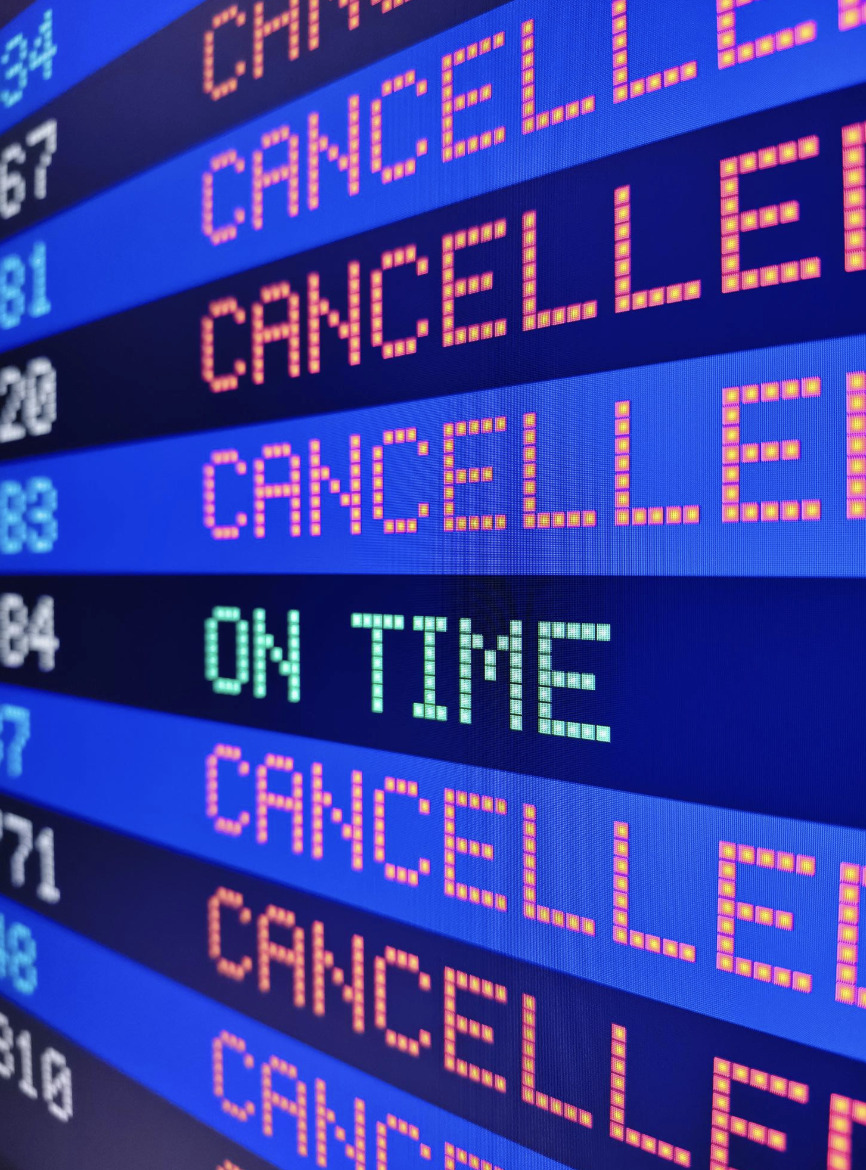
WestJet has approached the situation incrementally, reducing capacity by approximately one percent in April, three percent in May, and nearly six percent in June. These adjustments do not yet translate into large-scale cancellations, but rather into a reconfiguration of frequency, timing, and aircraft allocation.
According to the airline, affected passengers are being offered alternative travel options, suggesting an effort to maintain continuity while managing rising operational costs. In practical terms, this has meant consolidating flights on certain routes and shortening the operating windows of seasonal services.
The company emphasized that it has not eliminated any routes at this stage, but confirmed that its summer schedule remains under active review, leaving open the possibility of further reductions.
Fuel Costs Reshape Airline Economics
At the core of these changes lies a familiar but increasingly volatile factor: fuel.
Jet fuel prices have surged in the wake of escalating conflict involving Iran, which has disrupted global oil supply chains and triggered a sharp increase in crude oil prices. The situation has been further exacerbated by the effective closure of the Strait of Hormuz, a critical maritime corridor through which roughly 20 percent of the world’s oil supply flows.
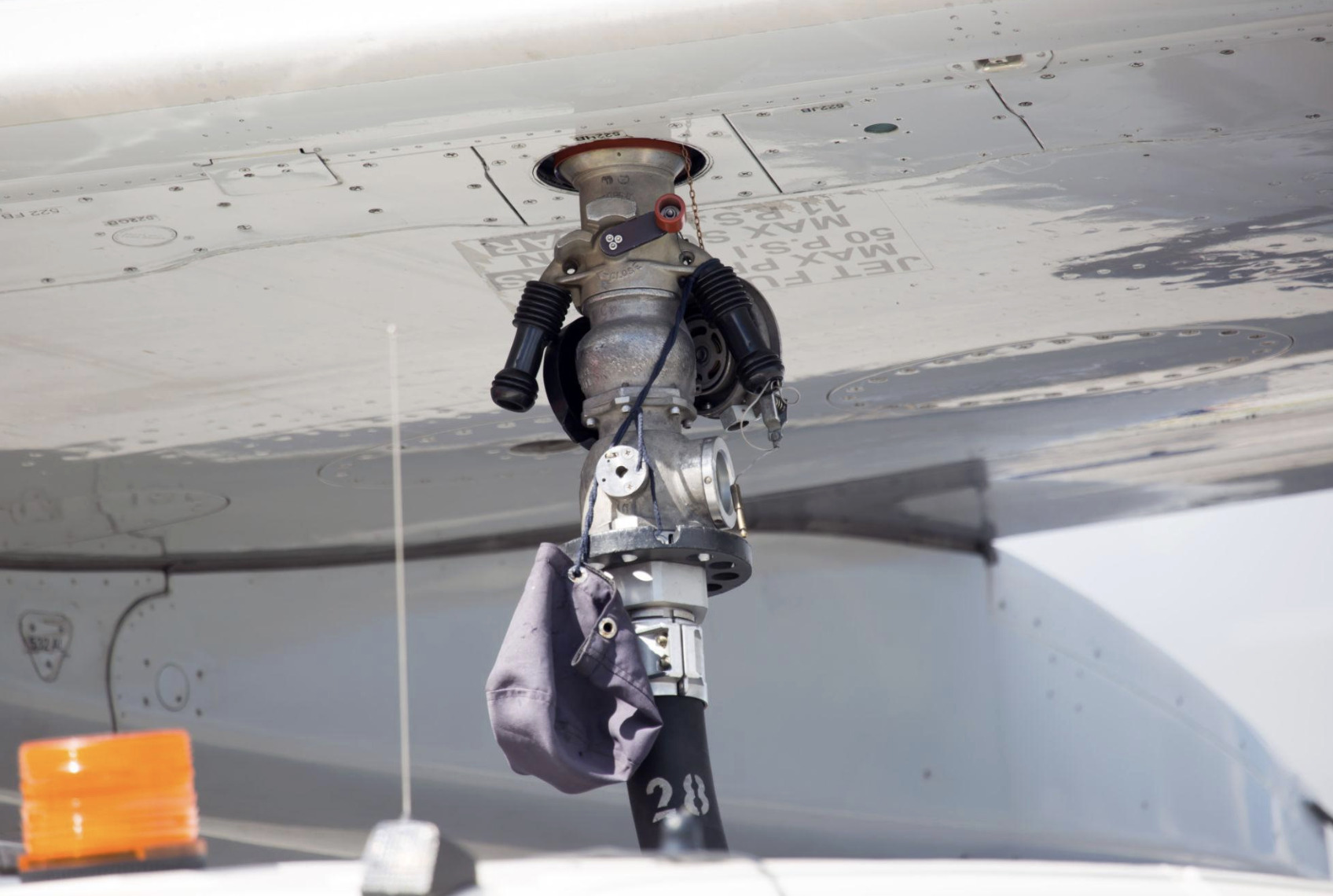
As a result, aviation fuel prices have climbed to levels nearly double those seen before the conflict, placing immediate pressure on airline cost structures. Given that fuel typically represents the largest single expense for carriers, even moderate price increases can have disproportionate effects on profitability.
For context, Air Canada reported spending over $5.1 billion on fuel in 2024 alone, accounting for approximately 24 percent of its total operating costs. Under current market conditions, that share is likely to increase.
Surcharges Return as a Pricing Tool
In response to these pressures, WestJet has already introduced a temporary fuel surcharge of $60 on bookings made using companion vouchers under its WestJet Rewards program. While framed as a short-term measure, the airline has not specified a timeline for its removal, stating only that it will be lifted once fuel prices stabilize.
Additional surcharges have also been implemented across affiliated vacation brands, including Sunwing Vacations and Vacances WestJet Québec, where passengers are now required to pay an extra $50 per person.
These pricing adjustments reflect a broader industry trend. Fuel surcharges, once phased out in more stable periods, are re-emerging as airlines seek flexible mechanisms to pass on fluctuating costs without fully restructuring base fares.
A Wider Industry Response
WestJet is not alone in its response. Across the industry, carriers are adopting similar strategies to navigate the current environment.
Air Canada has already taken more decisive action, suspending six routes deemed unprofitable under current fuel conditions. Among these are flights connecting Toronto and Montreal to New York’s John F. Kennedy International Airport, which will remain suspended from June 1 through October 25.
The airline has also increased ancillary fees, raising the cost of a first checked bag in economy class from $35 to $45 on domestic, U.S., and sun destination routes. These measures indicate a shift toward revenue diversification, where airlines rely not only on ticket prices but also on additional services to offset rising costs.
The Geopolitical Trigger
The current fuel crisis is rooted in geopolitical developments that extend far beyond the aviation sector. The conflict involving Iran, which escalated earlier this year, has disrupted key shipping routes and heightened uncertainty in global energy markets.
The Strait of Hormuz, a narrow passage between Iran and the Arabian Peninsula, plays a critical role in global oil distribution. Any disruption in this corridor has immediate and far-reaching consequences, affecting not only crude oil prices but also the cost of refined products such as jet fuel, diesel, and gasoline.
Despite signs of a fragile ceasefire, energy markets remain volatile, with supply constraints continuing to drive prices upward. Analysts in both the energy and shipping sectors have warned that these conditions could persist, creating sustained pressure on industries heavily dependent on fuel.
What It Means for Travelers
For passengers, the immediate effects of these developments may appear subtle but will likely become more noticeable over time. Reduced flight frequencies can lead to fewer scheduling options, while higher fuel costs may gradually translate into increased ticket prices and additional fees.
Flexibility, once a hallmark of modern air travel, may become more limited, particularly on high-demand routes during the summer season. Travelers may also encounter more frequent schedule adjustments as airlines continue to fine-tune their operations in response to changing conditions.
A Sector in Transition
The current situation highlights a broader reality: the aviation industry remains highly sensitive to external shocks. While technological advancements and operational efficiencies have improved resilience, the sector continues to depend on stable energy markets.
In this context, the measures introduced by WestJet and its competitors are not merely reactive. They represent an ongoing process of adaptation, as airlines seek to balance cost control with service continuity in an increasingly unpredictable environment.
Looking Ahead
Whether fuel prices will stabilize in the near term remains uncertain. Much will depend on geopolitical developments and the ability of global supply chains to recover from current disruptions.
For now, airlines are preparing for a prolonged period of volatility, adjusting their strategies accordingly. Capacity reductions, surcharges, and route optimizations are likely to remain key tools in managing this transition.
The summer travel season, traditionally a period of expansion and high demand, is thus unfolding under very different conditions.
Not defined by growth.
But by adjustment.

Oliver Grant
Travel & Active Lifestyle Writer
Oliver explores cities through movement, focusing on cycling as a way to experience culture, architecture, and local identity. He writes about bike travel, urban routes, and active lifestyles, combining storytelling with practical insight. His work has been recognized in digital travel journalism circles, where he has contributed to features on European cycling culture and experiential travel trends.
Advertise With Toronto Union 24
Reach over 500,000 engaged Canadian readers monthly. Premium placements available for Q2 2026.
Learn More Liam Carter
  Aila Kenuak