
Blue Jays fan keeps 37 year tradition despite rising ticket prices
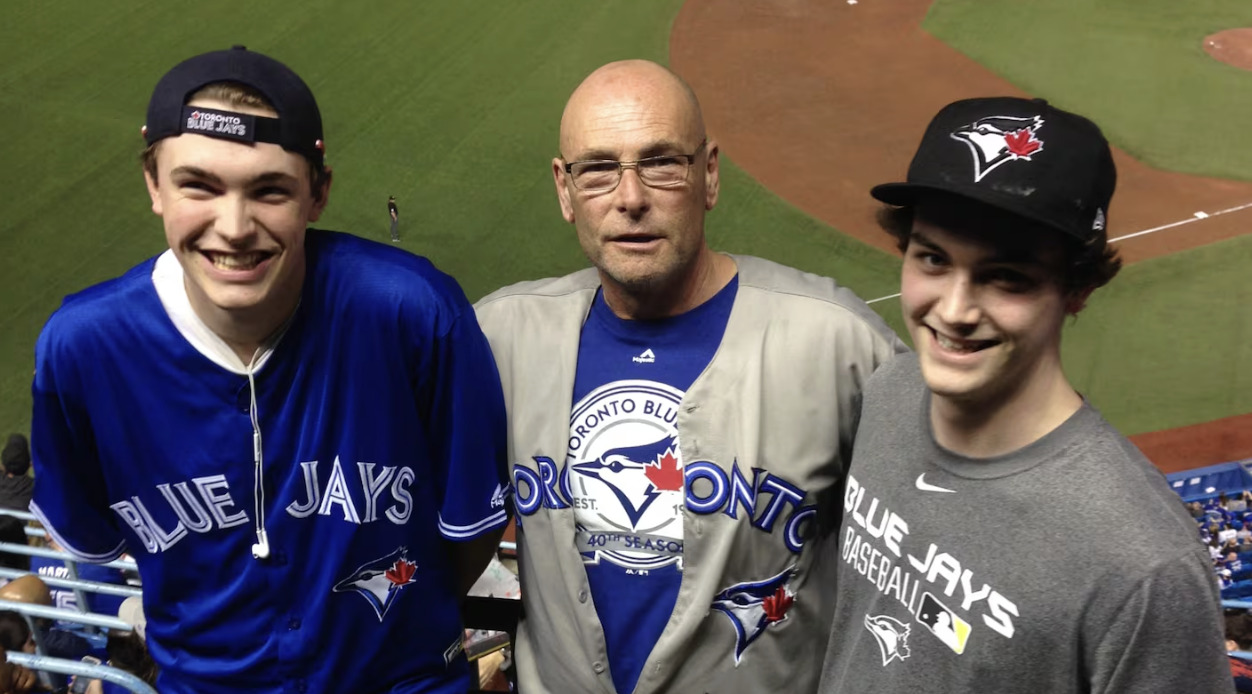
For nearly four decades, Graham Holmes measured time not in years, but in opening days.
Since the late 1980s, attending the Toronto Blue Jays’ first home game of the season had become a fixed point in his life — a ritual that outlasted stadium changes, team cycles, and personal milestones. But this year, for the first time in 37 years, that continuity was about to break.
Not because of distance or interest. Because of price.
When tradition meets modern economics
Holmes had tried to secure tickets as usual. Like many long-time fans, he relied on early access and timing. But the system had changed. Tickets for the 2026 home opener disappeared within minutes, and the remaining options were priced at levels that made attendance unrealistic.
The shift was not subtle. Prices that had once been accessible — $35, then $50 — had climbed into the $150–$170 range. For many, this is not just inflation. It is exclusion.
Holmes described the situation simply: he felt priced out.
This is where the story moves beyond a single fan. It reflects a broader transformation in live sports, where demand, performance, and commercial strategy converge. Following a strong season and renewed expectations, the value of the event increases — but not necessarily in a way that keeps longtime supporters within reach.
A last-minute return
The break in tradition, however, did not happen.
On the morning of the game, Holmes received an email. A ticket had been transferred to him. His son, who had been following the situation quietly, had secured a seat and kept it as a surprise.
The moment was not just about access. It was about continuity — the preservation of something that had become part of family identity.
Holmes would attend the game after all, extending a personal tradition that began before the team even moved into what is now the Rogers Centre.
Why these rituals matter
What makes this story resonate is not the ticket itself, but what it represents.
Opening day is not just a sporting event. It functions as a cultural marker. It signals renewal, continuity, and shared anticipation. For many fans, attending that game each year becomes a way of anchoring time — a recurring experience that connects past and present.
Holmes remembers bringing his son to games when he was barely a year old, structuring the experience around family as much as sport. Over time, the act of attending became less about baseball and more about maintaining that connection.
This pattern is not unique.
Across Toronto, other fans describe similar motivations. Some attend with relatives year after year, others preserve the ritual as a way of remembering those who are no longer there. In one case, a fan continues to attend opening day annually in honor of his late brother, transforming the event into a quiet act of remembrance rather than simple entertainment.
A changing relationship between fans and the game
These stories expose a structural tension that is no longer peripheral — it is becoming central to how modern sports function.
Professional sports are increasingly positioned as premium products, shaped by pricing models that respond to demand, competitive success, and global visibility. At the same time, their cultural foundation remains tied to accessibility, routine, and collective experience. This creates a growing misalignment between what the game represents and how it is consumed.
When pricing crosses a certain threshold, the shift is not only economic — it is social. The stadium stops functioning as a shared space and begins to operate as a filtered environment, where presence is determined less by loyalty and more by purchasing power.
Fandom does not disappear under these conditions, but it is restructured. It becomes less physical, less collective, and more fragmented. Attendance turns from habit into exception. What was once repeated becomes occasional.
In that transition, the nature of connection changes. It moves away from continuity and toward moments — often unplanned, often dependent on circumstance. Experiences like Holmes’s are not just emotional; they are increasingly rare points where the old structure briefly reappears within a new system.
What is changing is not the intensity of fandom, but the conditions under which it can exist.
More than a game
The Blue Jays’ home opener will still deliver what it always has: energy, ritual, and the illusion of continuity. The stadium fills, the ceremony unfolds, and for a few hours, everything feels unchanged.
But beneath that surface, something has shifted.
Sport is not defined only by what happens on the field. Its real value lies in repetition — in the ability to return, year after year, to the same place, the same moment, the same feeling. When that continuity is disrupted, even subtly, the meaning of the experience begins to change.
As one long-time fan put it:
“Baseball isn’t just something you watch. It’s something you carry through your life.”
Conclusion
This story is not about a ticket.
It is about access no longer being assumed. What was once routine is now selective. The game continues. The structure remains.
But belonging has shifted.
It is no longer given — it is filtered, limited, and priced.

Noah Bennett
Cycling Industry & Tech Writer
Noah is passionate about the mechanics behind movement — from bike engineering to emerging mobility technologies. He covers innovations in cycling equipment, e-bikes, and urban transport solutions, combining technical understanding with real-world usability. His articles explore how technology is reshaping everyday transportation and redefining the future of city commuting.
Advertise With Toronto Union 24
Reach over 500,000 engaged Canadian readers monthly. Premium placements available for Q2 2026.
Learn More Daniel Hughes