
The Debate Over Sports Betting Revenue and Public Funding
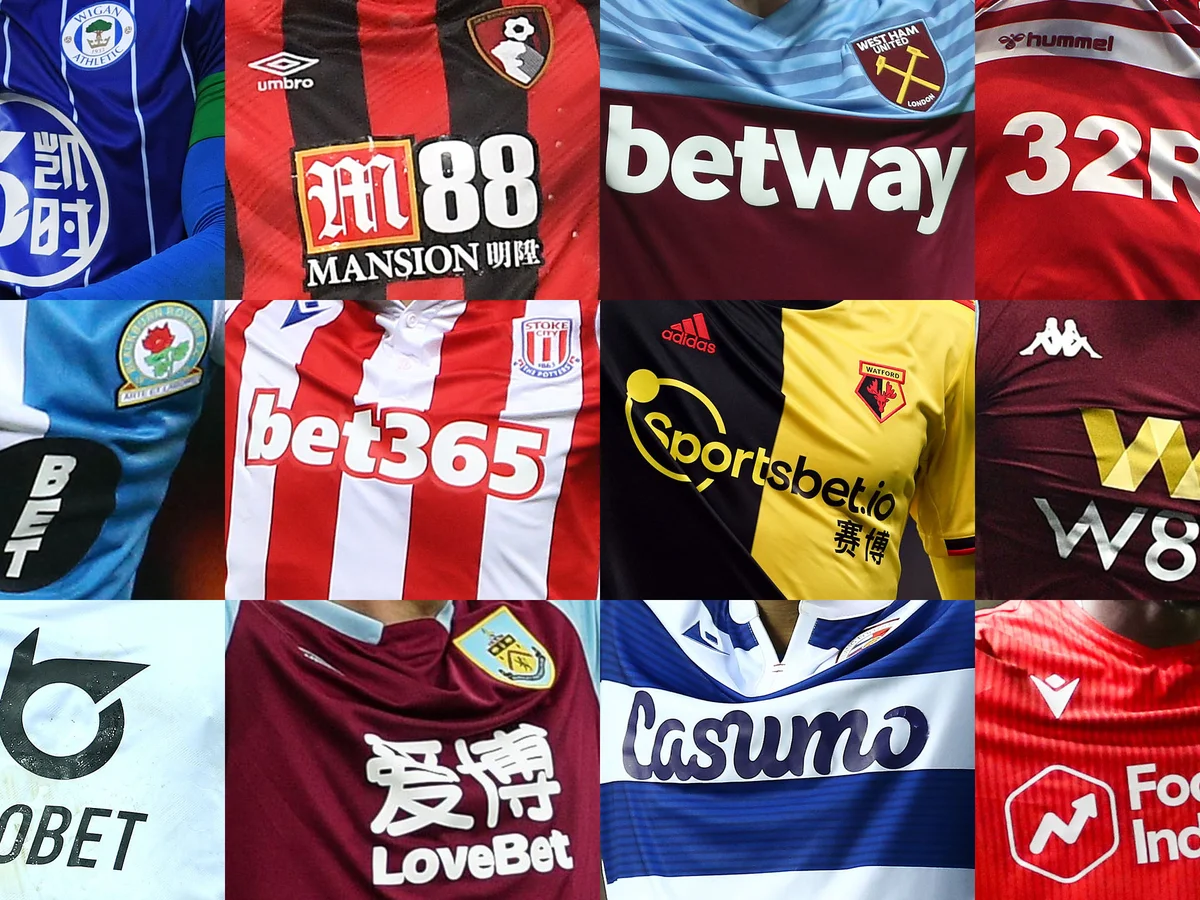
The question of whether sports betting should fund athletic development has moved from policy circles into the mainstream, driven by rapid expansion in legalized wagering markets and persistent funding gaps across national sport systems. A recent report highlighted in the CBC News article frames the issue as both an opportunity and an ethical dilemma, capturing a growing divide between policymakers, athletes, and industry stakeholders.
At the core of the debate is a structural funding problem. Canadian sport, particularly at the Olympic and grassroots levels, has long struggled with limited public investment. Reports suggest that national sport organizations face significant financial shortfalls, prompting calls to explore alternative funding streams.
In this context, sports betting has emerged as a potentially transformative source of revenue. Since the legalization of single-event betting in 2021, the sector has generated hundreds of millions in tax income. Advocates argue that reallocating even a fraction of this revenue could stabilize the system. As one stakeholder noted in policy discussions, betting-derived funds could act as the “blood in the veins” of sport organizations struggling to survive.
A national commission examining the future of sport reinforced this perspective, stating that many participants see betting taxation as a viable solution to chronic underfunding. The report emphasized that “a majority of participants expressed support” for reinvesting betting revenues into sport development.
Yet the issue remains far from settled. Critics argue that linking sport to gambling revenue creates moral and social risks. A former Olympian interviewed in the original CBC coverage described the concept as a “devil’s bargain,” warning that financial dependency on betting could undermine the integrity and values of sport.
Concerns extend beyond ethics into operational risks. Experts highlight the potential for match-fixing and competition manipulation as betting markets expand. The national commission described these pressures as “dramatically evolving,” underscoring the need for stronger regulatory frameworks.
Responsible gambling advocates also point to the social costs of addiction. While betting taxes can generate substantial revenue, critics question whether funds derived from potentially harmful behavior should support public goods like sport. As one analysis noted, stakeholders remain divided, with some even calling for stricter limits or outright bans on gambling activity.
Ultimately, the debate reflects a broader tension: the need to secure sustainable funding for sport while maintaining ethical and social safeguards. With traditional public investment stagnating, governments face increasing pressure to decide whether betting revenue represents a pragmatic solution—or a compromise too far.

Sponsorship, Commercial Reality, and the Gambling Industry’s Perspective
While policymakers debate taxation, the commercial relationship between sport and gambling is already deeply embedded. Across global markets, iGaming companies have become major sponsors of teams, leagues, and competitions, reshaping the financial landscape of professional sport.
In European football alone, betting brands are prominent shirt sponsors and advertising partners. Clubs in the English Premier League, La Liga, and Serie A have signed lucrative deals with operators such as Bet365, Stake, and other iGaming platforms. These partnerships often extend beyond jerseys to stadium naming rights, digital campaigns, and fan engagement initiatives.
North American sport has also seen a rapid influx of gambling sponsorships following regulatory changes. Major leagues like the NBA, NHL, and NFL have established official betting partnerships, while teams collaborate directly with sportsbook operators to enhance fan experiences through integrated apps and in-game wagering content.
This normalization of gambling within sport is frequently cited by industry advocates as evidence that betting is already a foundational part of the sports economy. From this perspective, the question is not whether gambling should support sport—but how to structure that support responsibly.
Industry experts argue that betting partnerships provide critical financial stability. According to analysts in the iGaming sector, sponsorship revenue helps clubs invest in infrastructure, youth development, and global outreach. “Modern sport is an entertainment business,” one industry consultant notes. “Without diversified revenue streams, including betting, many organizations simply cannot compete.”
Representatives from the gambling sector, including experts associated with platforms like LolaJack, emphasize the broader economic ecosystem created by betting. They argue that regulated iGaming acts as a “money engine” that fuels sport at multiple levels—from grassroots programs to elite competition.
“Sports betting is not inherently harmful when properly regulated,” one industry expert explains. “It drives engagement, increases viewership, and generates funding that can be reinvested into the sport itself.”
This perspective challenges the notion that gambling and sport are incompatible. Instead, proponents frame the relationship as mutually beneficial: betting companies gain access to large, engaged audiences, while sports organizations secure vital funding streams.
However, even within the industry, there is acknowledgment of the need for safeguards. Responsible gambling measures, transparency in sponsorship deals, and strict integrity monitoring are increasingly seen as essential components of sustainable growth.
Critics remain cautious. They argue that the visibility of betting brands—particularly in sports with younger audiences—could normalize gambling behavior and increase long-term risks. This has led to regulatory responses in some jurisdictions, including restrictions on advertising and sponsorship placement.
Despite these concerns, the commercial trajectory appears clear. As sports organizations continue to seek new revenue sources, partnerships with iGaming companies are likely to expand. Combined with the growing debate over taxation, this suggests that gambling will play an increasingly central role in the future of sport funding.
The challenge for policymakers, industry leaders, and athletes alike is to strike a balance—leveraging the financial benefits of betting while addressing its ethical and social implications.

Liam Carter
Street Culture & Nightlife Journalist
Liam focuses on the cultural layer of urban life — music, street scenes, and the rhythm of cities after dark. He writes about how cycling, nightlife, and creative communities intersect, shaping new forms of social interaction and identity. His work has been featured in independent media platforms and urban culture publications, where he has covered festivals, underground scenes, and emerging city trends.
Advertise With Toronto Union 24
Reach over 500,000 engaged Canadian readers monthly. Premium placements available for Q2 2026.
Learn More Daniel Hughes
  Noah Bennett