
Fashion industry faces structural pressure as tariffs and recession reshape the market
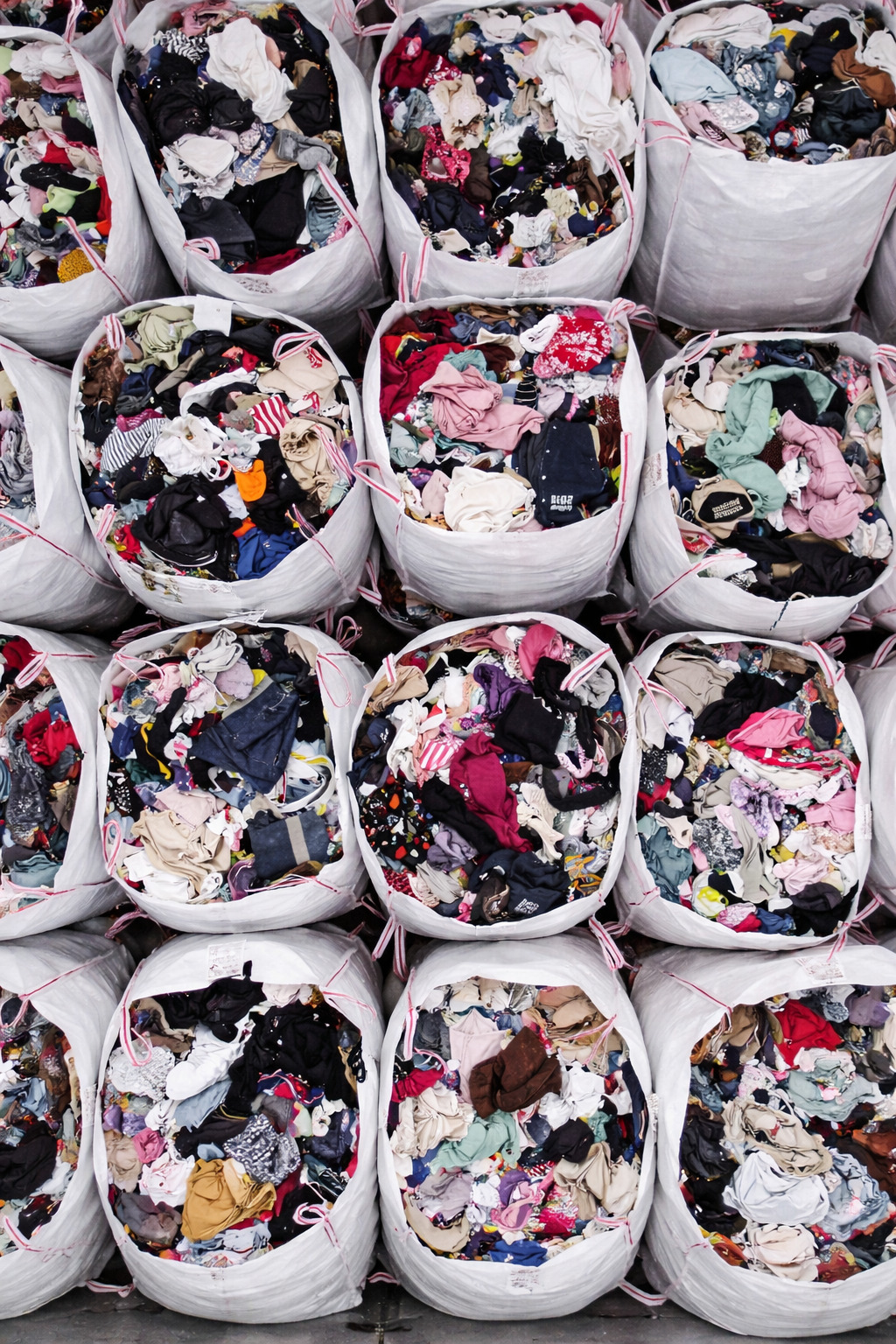
The Canadian fashion industry is entering a period of quiet but глубокого restructuring. What initially appeared in 2025 as a combination of inflation, trade tension, and slowing consumer demand has, by 2026, evolved into a structural shift affecting how brands design, produce, and sell.
This is no longer a temporary downturn. It is a recalibration of the system itself.
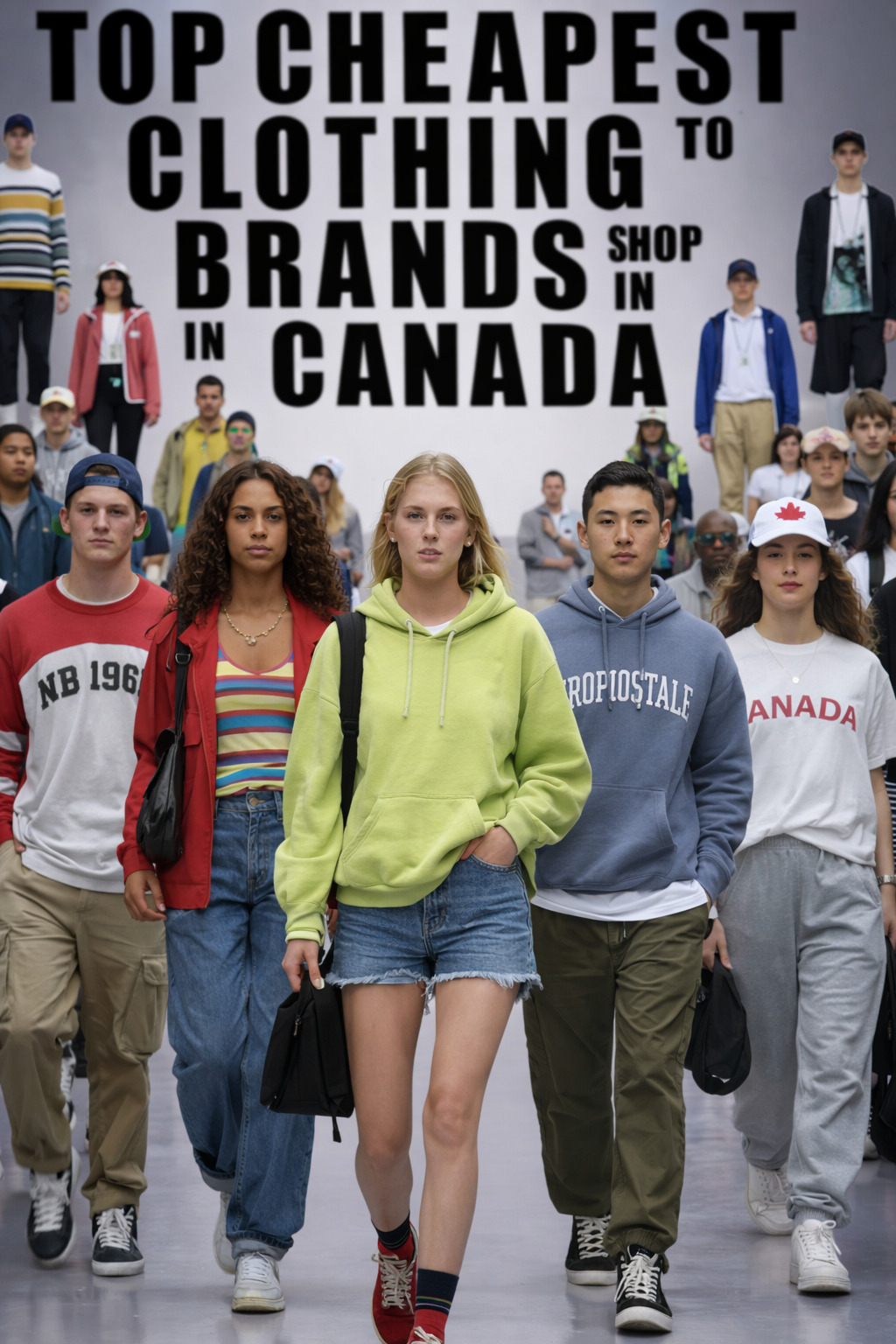
From growth to constraint
Throughout 2025, rising inflation and the growing risk of recession began to reshape consumer behavior. Spending slowed, priorities shifted, and fashion—traditionally sensitive to economic cycles—felt the pressure almost immediately.
At the same time, global tariff tensions intensified. While Canada was not always the direct target, the industry depends heavily on international supply chains, particularly in countries such as China, Vietnam, and India.
As tariffs increased globally, costs across production, logistics, and import processes rose sharply.
For Canadian brands, this created a layered problem: higher costs on one side, weaker demand on the other.
The reality for independent designers
Independent labels have been hit hardest.
Unlike large corporations, smaller brands operate on thin margins and depend on stable pricing structures agreed months in advance. When tariffs or costs change suddenly, those agreements become misaligned with reality.
Designers are left with limited options:
increase prices and risk losing customers
reduce quality and compromise brand identity
absorb losses and weaken long-term sustainability
In many cases, none of these options are viable.
The result is not just financial strain—it is strategic paralysis. Brands delay production, reconsider collections, and slow expansion decisions.
Supply chains that cannot simply relocate
One of the most underestimated challenges is the complexity of fashion supply chains.
Contrary to political narratives, production cannot be easily relocated. Many garments rely on specialized materials and craftsmanship developed over decades in specific regions.
Techniques such as embroidery, lace-making, or textile finishing are not interchangeable. Reproducing them locally is not a matter of cost—it is a matter of time, skill, and cultural infrastructure.
This creates a structural dependency. Even brands that want to shift production face a fundamental limitation: there is no immediate alternative.
2025 to 2026 — from uncertainty to adaptation
If 2025 was defined by uncertainty, 2026 is defined by adaptation.
Brands are no longer waiting for clarity. They are restructuring around instability.
Several key shifts are now visible:
1. Direct-to-consumer focus
Wholesale models are becoming less reliable due to pricing volatility. Brands are prioritizing direct sales to maintain control over margins.
2. Slower production cycles
Instead of reacting to fast trends, designers are moving toward fewer, more intentional collections.
3. Price normalization
Consumers are gradually adjusting to higher prices across categories, as cost increases become unavoidable.
4. Selective consumption
Economic pressure is changing behavior. Shoppers are buying less, but choosing more carefully.
This aligns with a broader industry shift toward what analysts describe as “value-driven fashion.”
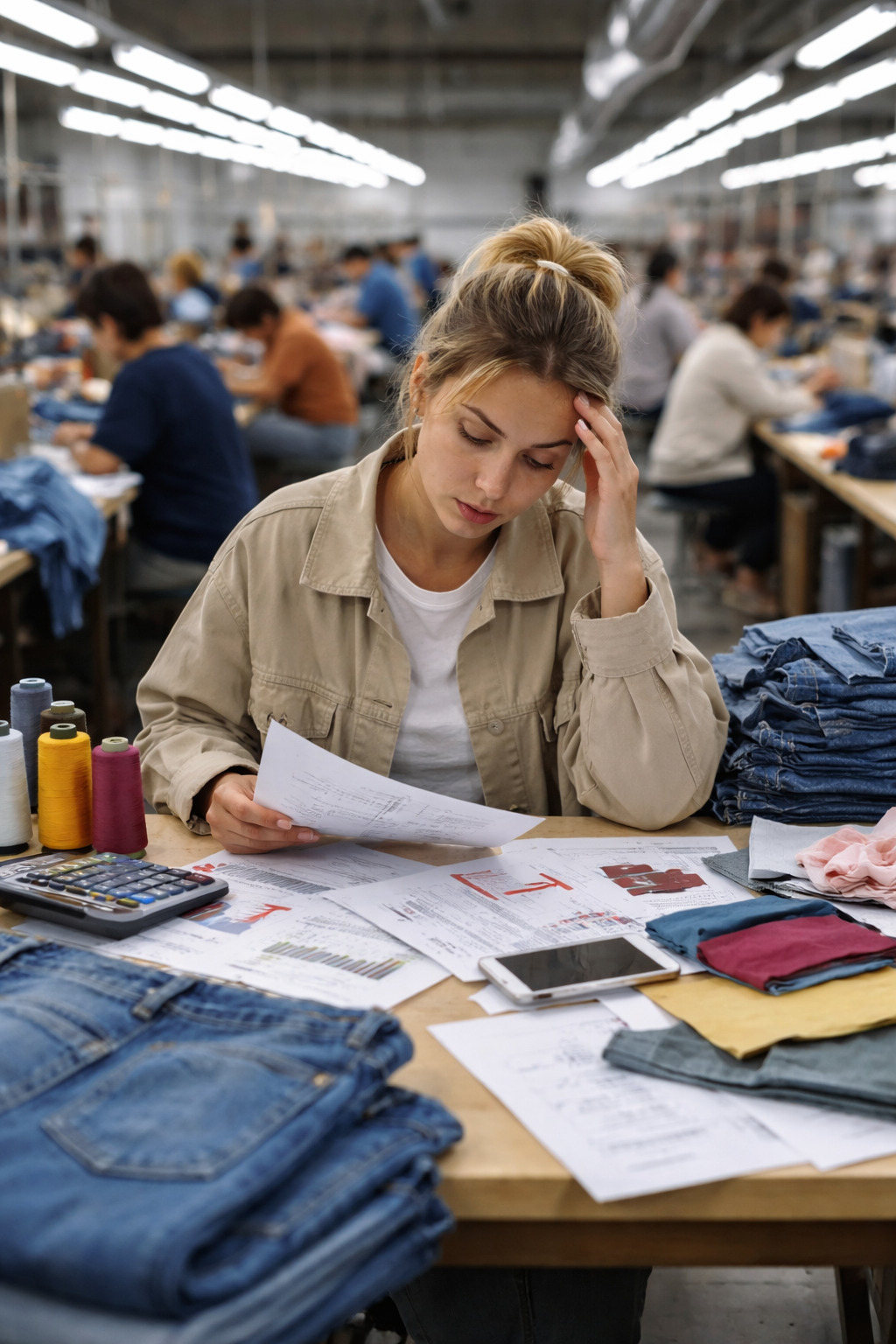
The rise of recession aesthetics
Economic pressure does not only affect production—it reshapes style itself.
Historically, periods of uncertainty lead to more restrained aesthetics. The same pattern is now emerging again.
Minimalism, neutral tones, and long-lasting pieces are gaining traction, replacing seasonal excess and fast consumption cycles.
This is not just a trend. It reflects a psychological shift in how consumers relate to fashion.
Clothing becomes less about expression and more about reliability.
Resale and alternative consumption models
Another consequence of economic pressure is the growth of secondary markets.
The resale sector, projected to reach tens of billions globally in the coming years, is becoming a parallel system within fashion.
However, even this segment is not immune. Reduced consumption can also mean fewer items entering resale circulation, creating supply constraints.
What emerges is not a replacement of traditional fashion, but a redistribution of demand across different channels.
A deeper shift in industry logic
What is happening in Canadian fashion is not simply a reaction to tariffs or recession.
It is a shift in logic.
For years, the industry operated on:
speed
volume
global optimization
Now, those assumptions are being challenged.
Unpredictable trade policies, rising costs, and changing consumer expectations are forcing brands to rethink scale, timing, and even purpose.
The system is becoming less about expansion—and more about resilience.
Conclusion
Canadian fashion is not collapsing. It is transforming.
The pressures of 2025 exposed the fragility of globalized production and growth-driven models. In 2026, those pressures are being absorbed, translated into new structures, new strategies, and new expectations.
The industry is becoming slower, more selective, and more conscious—not by choice, but by necessity.
And in that shift lies the real story:
fashion is no longer chasing growth at any cost.
It is learning how to survive within limits.

Aila Kenuak
My name is Aila Kenuak, a proud Indigenous writer from the rugged coastlines of Newfoundland and Labrador. I come from a community where stories are carried through generations—spoken, remembered, and deeply felt. My work is rooted in those traditions, shaped by the land, the ocean, and the resilience of our people.
To the readers of Toronto Union 24, I write with a commitment to truth, clarity, and connection. Whether covering breaking developments or long-form stories, I aim to bring voices forward that are too often overlooked. Canada is vast and diverse, and every story deserves to be told with respect and depth.
Thank you for reading, listening, and staying informed.
Advertise With Toronto Union 24
Reach over 500,000 engaged Canadian readers monthly. Premium placements available for Q2 2026.
Learn More Oliver Grant
  Ethan Walker