
Top women entrepreneurs redefining business and innovation in Canada
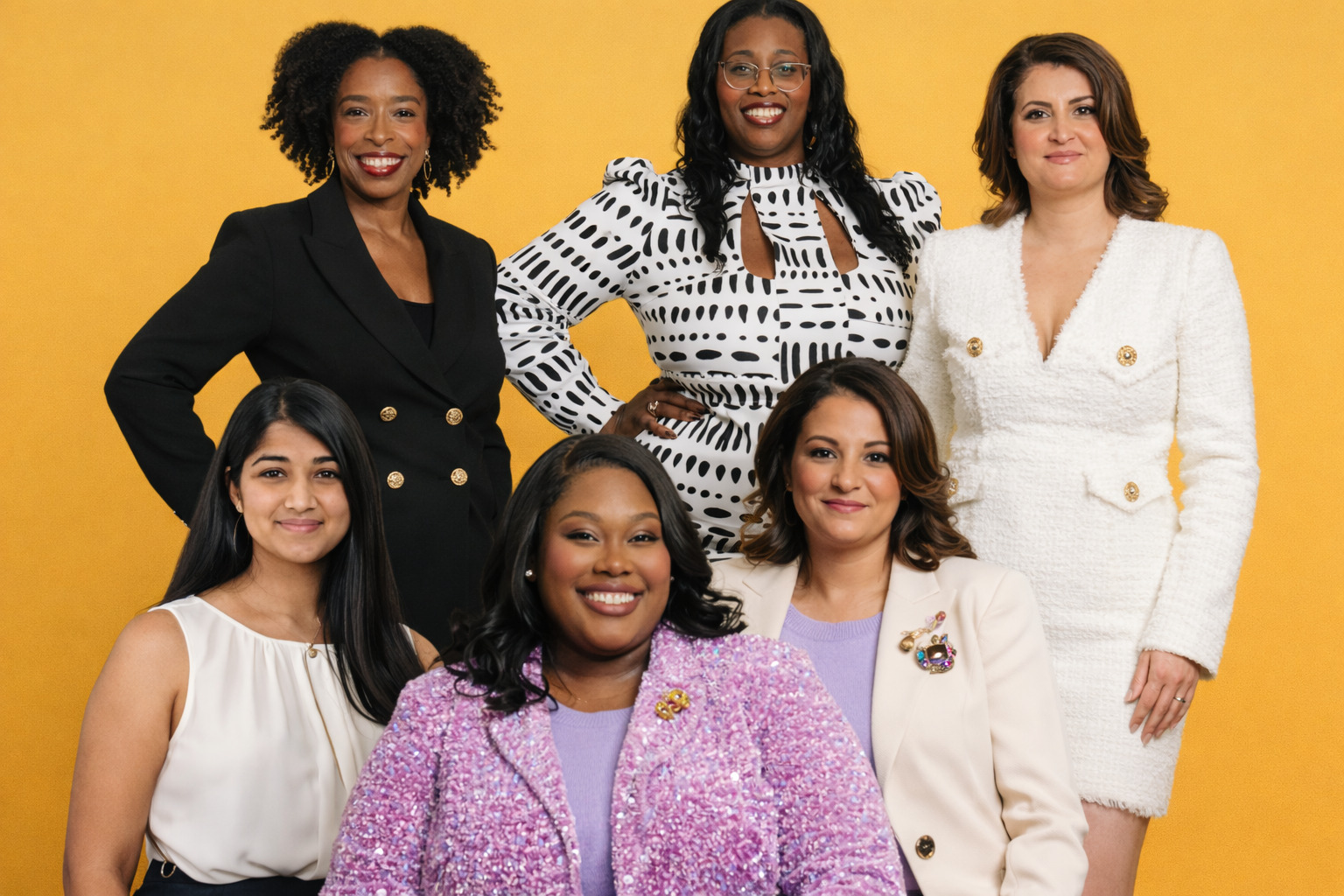
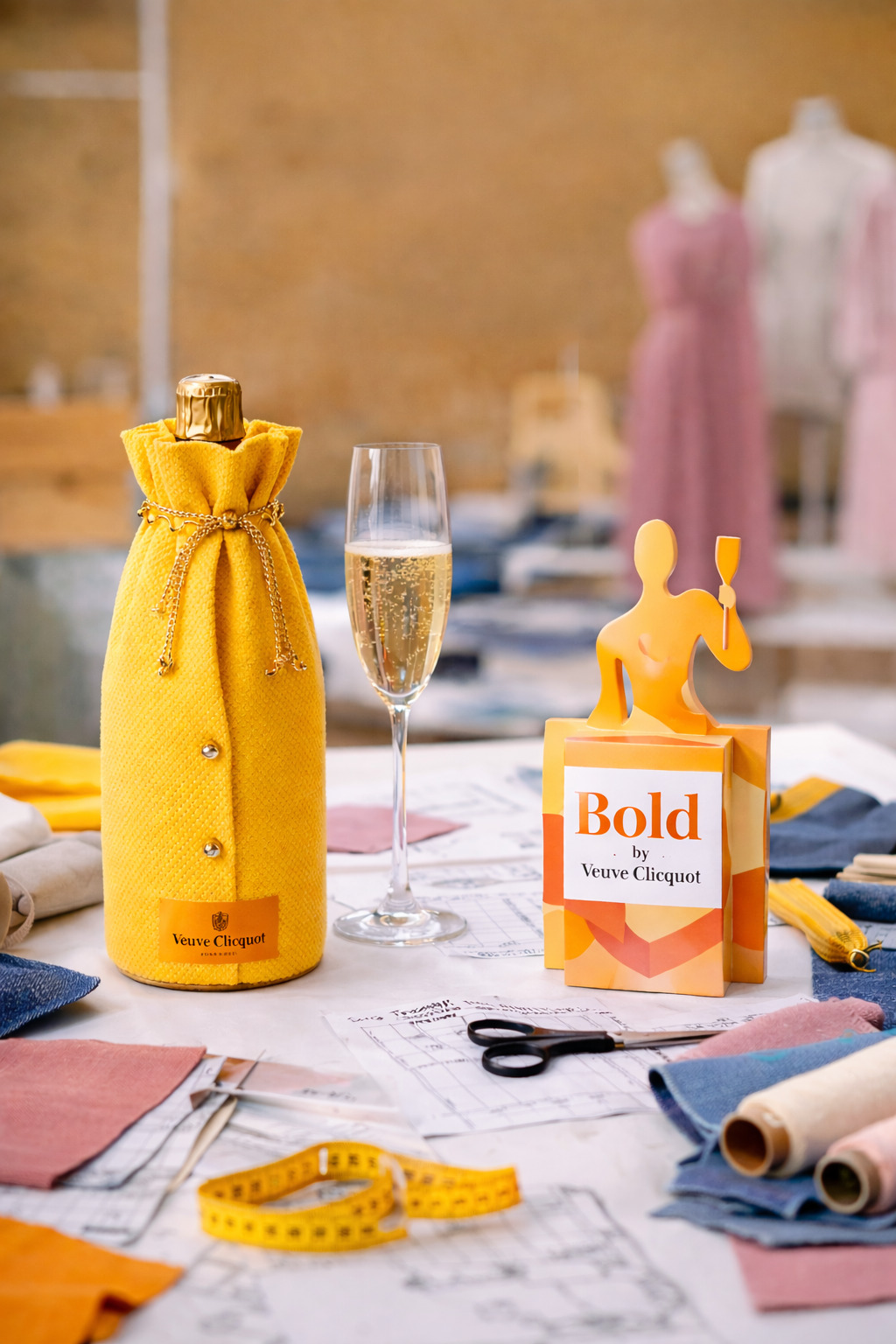
Bold ideas, fearless leadership and the courage to build differently — this is what the Bold by Veuve Clicquot Woman Awards represent.
Inspired by the legacy of Madame Clicquot — a pioneer who reshaped the Champagne industry through innovation like the first vintage champagne, the riddling table and blended rosé — the awards spotlight women who are not just building businesses, but redefining entire systems.
Each year, the initiative brings forward a new generation of founders and leaders whose work challenges привычные границы и создает новые стандарты. In Canada, this year’s edition highlights two distinct paths of impact:
the Bold Woman Award, dedicated to established entrepreneurs driving change over time, and the Bold Future Award, focused on emerging founders introducing new ideas and new models.
Ahead of the ceremony taking place this April in Toronto, six finalists stand out — not simply for what they have built, but for how they think, scale and lead.
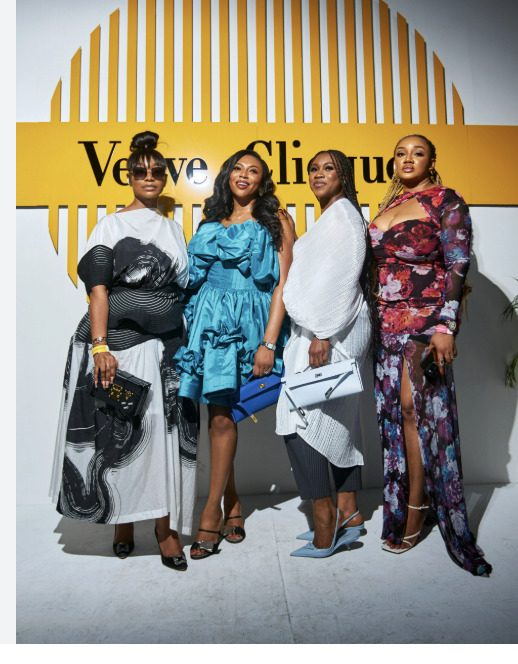
Veuve Clicquot Bold Woman Award Finalists
Tanya Hayles, Black Moms Connection
Tanya Hayles has built more than a platform — she has created infrastructure for community.
What began as a simple Facebook group evolved into a national non-profit that now supports thousands of Black mothers across Canada. Black Moms Connection operates as a space where lived experience does not need to be explained — only shared, understood, and supported.
The initiative extends beyond conversation. It integrates financial literacy, entrepreneurship support, and emergency assistance, translating community into tangible systems.
“It takes a village to raise a child, but it also takes a village to support a mother,” Hayles explains.
Her next step moves from digital to physical space — launching a childcare centre in Scarborough designed around real urban life constraints, including extended hours and long-term plans for 24/7 access.
The vision is clear: not institutional care, but something closer to family.
Sherry Larjani, Spotlight Development Inc.
Sherry Larjani operates at the intersection of architecture, development, and social access.
Through Spotlight Development, she is reshaping urban environments with a focus on affordability — one of the most critical issues in modern city design. Her projects are not just about buildings, but about access to living space as a fundamental condition of inclusion.
Her path has not followed traditional trajectories. Moving from architecture into development allowed her to influence not just design, but decision-making at scale.
“There were many closed doors,” she says. “So I built my own path.”
Beyond real estate, Larjani advocates for structural change in how women access capital and opportunity. Her perspective reframes support not as assistance, but as access.
Real progress, in her view, begins when more people are allowed to enter the system.
Orlane Panet, Microhabitat
Orlane Panet is rethinking the role of nature within urban environments.
As co-founder of Microhabitat, she has spent over a decade transforming unused city spaces into productive ecosystems — integrating agriculture, biodiversity, and design into dense urban settings.
What started as a conceptual idea has scaled globally, working with major real estate partners to embed urban farming into modern development.
The challenge was not only operational, but conceptual: proving that sustainability can exist within scalable business models.
“Growth comes from friction,” Panet says. “If your vision isn’t challenged, it’s probably not strong enough.”
Her work positions sustainability not as an add-on, but as a core design principle.
Veuve Clicquot Bold Future Award Finalists
Venesse Lewis, Niya’s Coily World
Venesse Lewis began with observation — and turned it into transformation.
Working closely with clients as a hairstylist, she noticed a recurring pattern: many people were learning to care for their natural hair far too late. That gap became the foundation of Niya’s Coily World.
What started as a children’s book has grown into a broader ecosystem of education through workshops, teaching both children and parents how to understand and care for natural hair textures.
The project addresses more than technique. It builds identity and confidence from an early age.
“Representation shapes how you see yourself,” Lewis explains.
Now expanding into retail partnerships, the brand is moving into physical spaces while maintaining its educational core.
Cindy Millien, Millie Cosmétiques
Cindy Millien identified a gap that was not about products — but about understanding.
After years as a professional makeup artist, she realized that many women owned cosmetics but lacked the knowledge to use them effectively. Her response was to simplify.
She built a method based on clarity: ten products, ten steps, ten minutes.
This approach became the foundation of Millie Cosmétiques, a hybrid model combining education and product — shifting focus from consumption to competence.
Her philosophy is rooted in accessibility. Beauty, in her system, is not about complexity, but about confidence.
Prishita Agarwal, Mosa
Prishita Agarwal is challenging one of the most overlooked sectors: promotional products.
Through Mosa, she transforms waste materials into designed objects — from glassware to candles — redefining how branded merchandise is produced and perceived.
The traditional model relies on volume and disposability. Agarwal’s approach replaces that logic with sustainability as a default, not a premium.
Starting from small-scale outreach — including pitching student groups and approaching hundreds of companies — she has scaled the business to work with major clients such as Shopify and SAP.
To date, the company has diverted more than 80,000 glass bottles from landfill.
Her team reflects the same mindset: young, diverse, and operating without waiting for validation.
“We didn’t wait for permission,” she says. “We built something that demanded attention.”
A different kind of leadership
What connects these six finalists is not industry or scale, but approach.
They are not simply participating in existing systems — they are redesigning them.
Across community building, urban development, sustainability, beauty, and education, each of them challenges the default logic of their field.
The Bold Woman Awards do not just recognize success.
They highlight a shift in how success is defined.
And that shift is already shaping what comes next.
Aila Kenuak
My name is Aila Kenuak, a proud Indigenous writer from the rugged coastlines of Newfoundland and Labrador. I come from a community where stories are carried through generations—spoken, remembered, and deeply felt. My work is rooted in those traditions, shaped by the land, the ocean, and the resilience of our people.
To the readers of Toronto Union 24, I write with a commitment to truth, clarity, and connection. Whether covering breaking developments or long-form stories, I aim to bring voices forward that are too often overlooked. Canada is vast and diverse, and every story deserves to be told with respect and depth.
Thank you for reading, listening, and staying informed.
Advertise With Toronto Union 24
Reach over 500,000 engaged Canadian readers monthly. Premium placements available for Q2 2026.
Learn More Oliver Grant
  Ethan Walker