
How to transform your dining room into a multiuse space
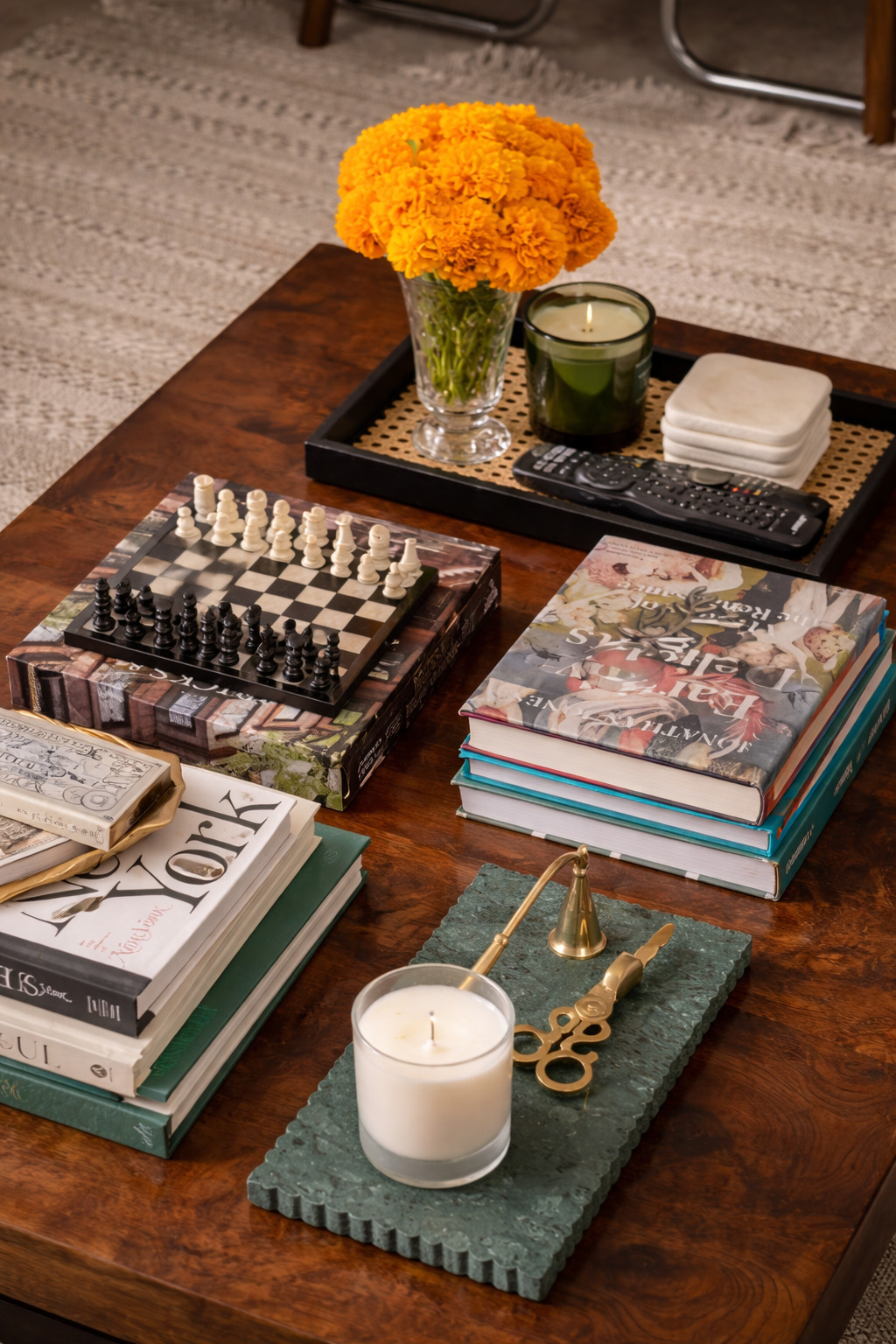
The dining room is one of the most underused spaces in many homes. Designed for occasional gatherings, it often sits empty for most of the week. But the way we live has changed — and so has the expectation of what a room should do.
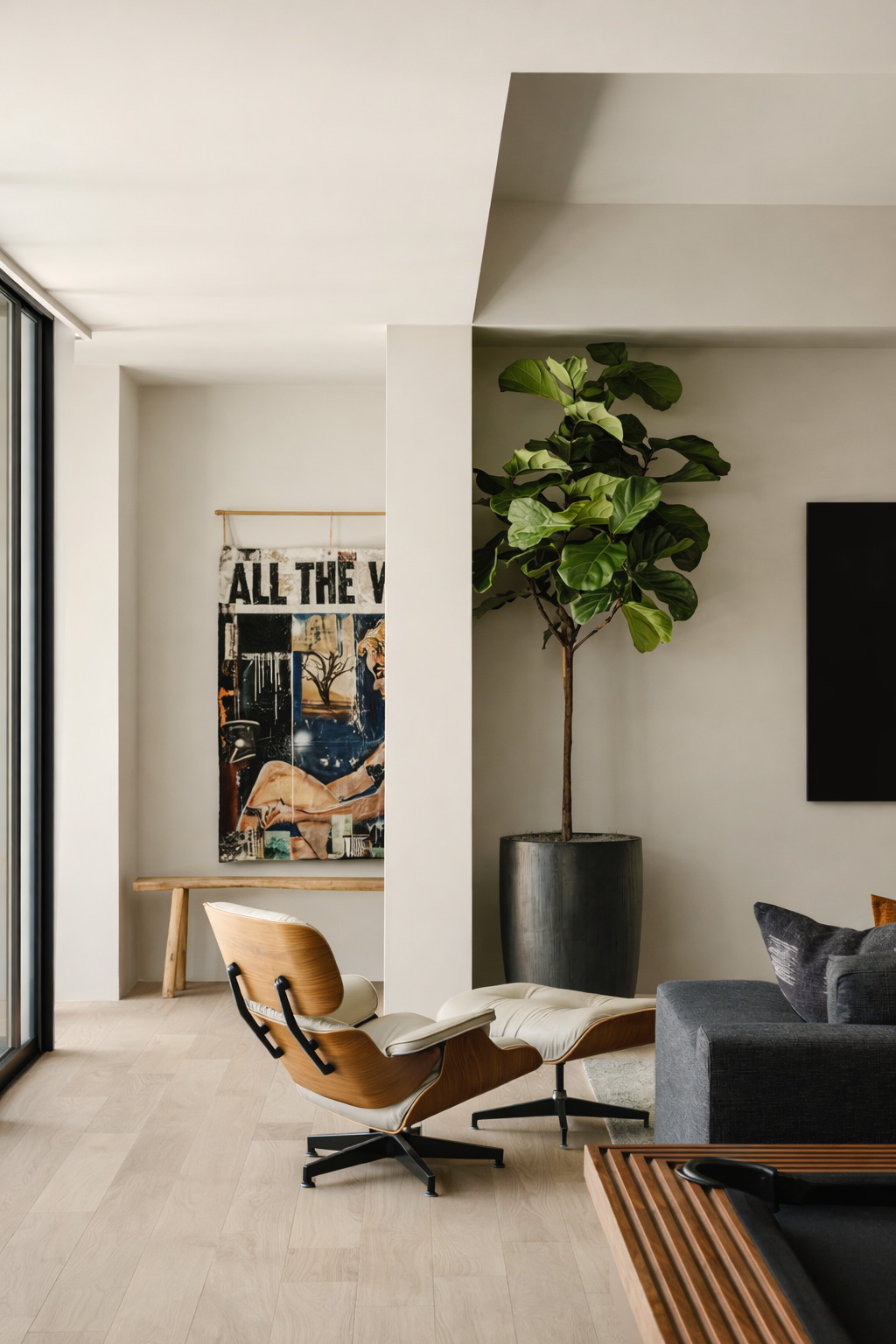
Instead of single-purpose spaces, modern homes are moving toward flexibility. The dining room is no longer just for meals. It is becoming a hybrid environment — a place that can shift between functions without losing its identity.
One of the most compelling versions of this shift is what designers are now calling a “dining library.” Not as a trend in decoration, but as a rethinking of how space is used.
A room that works beyond the table
At its core, the idea is simple: the dining table remains central, but the room expands around it. Books, shelves, and layered elements transform the space from something formal into something lived-in.
This changes how the room behaves. It is no longer activated only during dinners. It becomes part of daily life — a place to read, work, think, or simply spend time.
What makes this model effective is not aesthetics alone. It is function. The same surface that hosts a meal can support work, reading, or creative activity. The room becomes continuous rather than occasional.
Why this shift is happening
The move toward multiuse spaces is not accidental. It reflects a broader change in how homes are structured. During the pandemic, space had to absorb everything — work, school, rest, and entertainment. That pressure revealed a simple truth: rooms that serve only one purpose are inefficient.
That mindset has not disappeared. Even as routines normalize, the expectation of flexibility remains.
A dining room that can also operate as a library or workspace offers more than visual appeal. It increases the practical value of the home without requiring additional square footage.
The role of books in shaping space
Books are not just decorative elements in this concept — they define the atmosphere.
A room built around books feels inherently different. It invites slower activity, longer stays, and a different kind of interaction. Unlike screens, books introduce texture, depth, and presence.
Designing around them also creates a personal layer. The selection of titles, objects, and materials turns the room into a reflection of the people who use it. This is what separates a styled space from a meaningful one.
The goal is not perfection, but accumulation. A mix of books, objects, and materials creates a sense of history rather than a staged look.
Structure without rigidity
There is no single way to approach this transformation.
Some spaces lean toward a more formal interpretation, with structured shelving and a clearly defined dining area. Others move toward flexibility, blending books with everyday use — from work to hobbies.
What matters is not the format, but the balance. The room should feel intentional, but not fixed. It should allow movement between uses without requiring constant reconfiguration.
How to build it without a full renovation
A complete redesign is not necessary to achieve this effect.
In many cases, the transformation begins with small structural shifts. Adding shelving — even freestanding — introduces vertical depth. Rearranging furniture can redefine how the room is used. Lighting can shift the atmosphere from formal to lived-in.
The dining table remains the anchor, but everything around it becomes more fluid.
Colour also plays a critical role. Deeper, more grounded tones tend to work well because they create a sense of enclosure and calm. But the key is consistency. A cohesive palette allows the room to feel unified, even as its function changes.
Lighting should not rely on a single source. A combination of overhead light, task lighting, and ambient elements creates layers that support different activities throughout the day.
Storage as part of the design
One of the most overlooked aspects of this transformation is storage.
A successful multiuse room does not just look flexible — it operates that way. Hidden storage, integrated shelving, and adaptable furniture allow the space to shift without becoming cluttered.
In smaller rooms, this becomes essential. Built-in seating, modular elements, or movable pieces can expand the room’s function without increasing its size.
More than a design choice
What emerges from this shift is not just a new layout, but a different relationship with space.
Rooms are no longer defined by what they were designed for, but by how they are actually used. The dining room, once reserved for specific moments, becomes part of everyday life.
This is not about adding more to a space. It is about allowing it to do more.
And in that shift, the home becomes less segmented, more adaptive, and ultimately more aligned with how people live now.

Ethan Walker
Urban Mobility & City Culture Analyst
Ethan is deeply interested in how cities evolve through mobility, public space, and human behavior. He specializes in urban cycling ecosystems, infrastructure planning, and the cultural impact of transport systems on modern cities. His work focuses on the intersection of mobility, sustainability, and lifestyle, translating complex urban dynamics into accessible narratives for readers.
Advertise With Toronto Union 24
Reach over 500,000 engaged Canadian readers monthly. Premium placements available for Q2 2026.
Learn More Aila Kenuak
  Oliver Grant