
Urban lifestyle and luxury living in modern cities
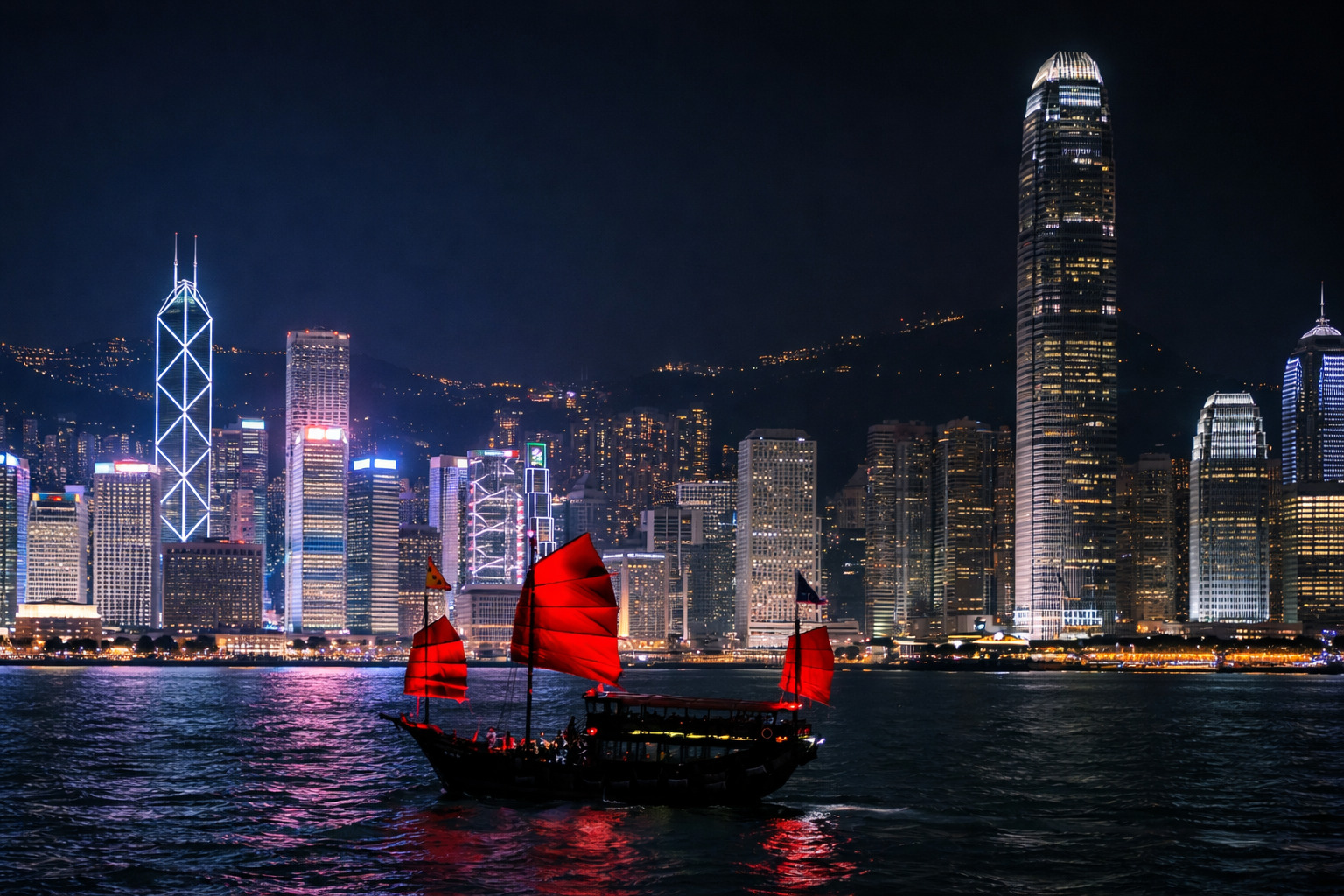
There are places that offer luxury, and there are places that quietly reshape its meaning.
Today, the definition is shifting. It is no longer built around scale or display, but around continuity — how seamlessly different parts of the experience connect.
The realization often comes in unexpected moments. Not inside a flagship hotel or a designer boutique, but somewhere in between — where time slows down without breaking the rhythm of the city. Where even transitions feel curated.
This is where contemporary urban luxury begins.
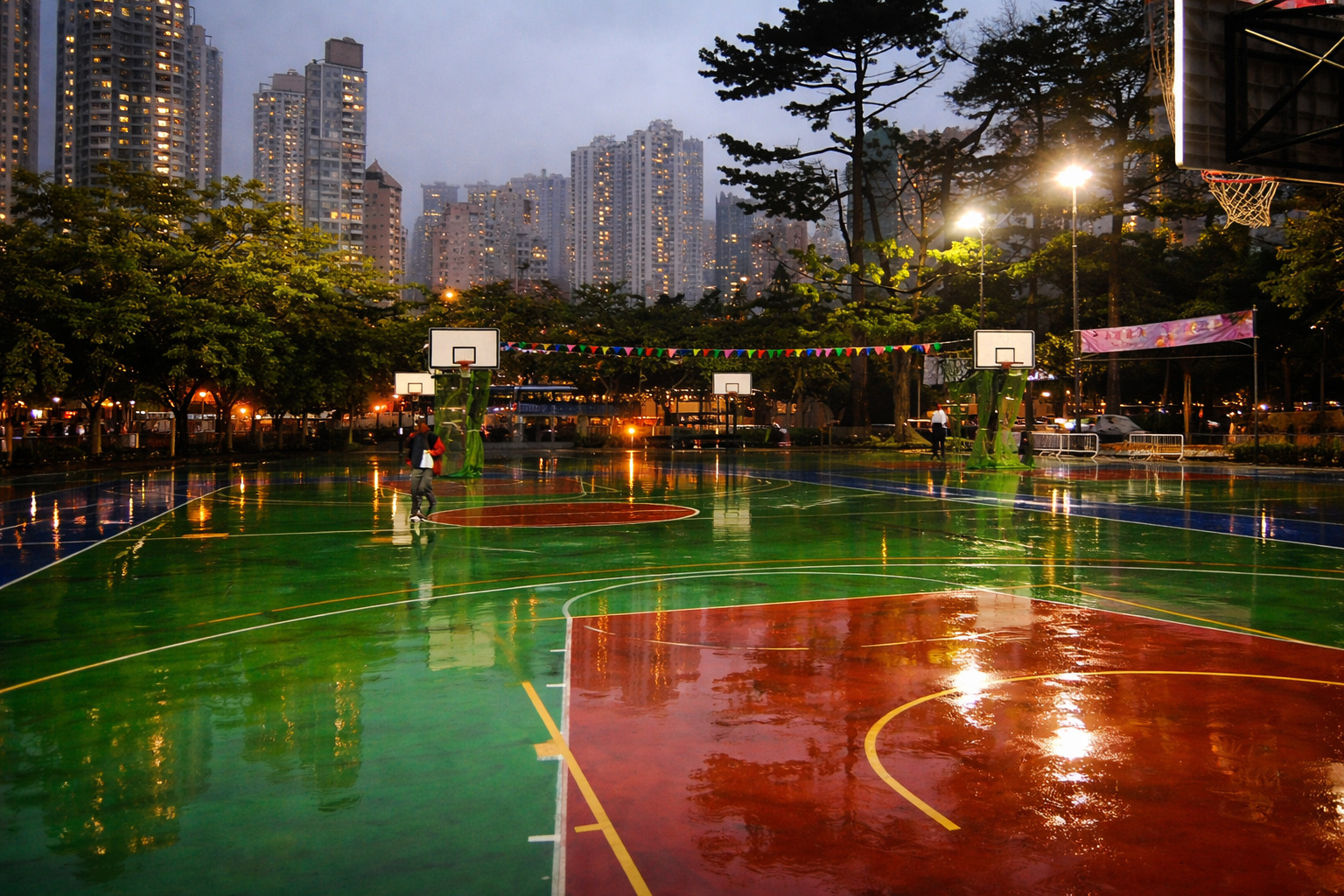
A city structured around experience
What defines a leading global city today is not only its skyline or infrastructure, but its ability to compress multiple layers of experience into a limited physical space. In high-density urban cores, over 70% of economic and cultural activity is concentrated within a relatively small radius, which allows radically different environments to coexist within walking distance.
In these conditions, space is no longer linear — it is layered. A rooftop venue, a mid-level dining room, and a street-level café can operate simultaneously within the same vertical block. The transition between them is measured in minutes, not effort. This creates a continuous experiential flow rather than isolated destinations.
This density is engineered. Cities with strong mixed-use zoning and high walkability scores consistently show higher engagement in hospitality and retail sectors. The result is a system where experience is not planned in advance — it unfolds in sequence.
Luxury, in this structure, is defined by access to variation. The ability to shift between different atmospheres without interruption becomes more valuable than exclusivity itself.
Dining as a daily standard
Food is one of the clearest indicators of how this system operates. In leading urban markets, the average resident interacts with the dining sector multiple times per week, not as an exception but as routine behaviour.
The gap between high-end and everyday dining has narrowed in terms of execution. While price points differ, the baseline expectation of quality has risen. In cities with развитой dining culture, a significant share of restaurants operate within a mid-range segment that prioritizes consistency, sourcing, and technique rather than spectacle.
This has redefined the role of dining. It is no longer an occasional experience — it is infrastructure.
Menus are built with precision, often integrating global techniques into familiar formats. The focus shifts from presentation to balance, from novelty to repeatability. A dish is valued not because it surprises once, but because it holds up over time.
Even informal settings follow this logic. Turnover is high, margins are tight, but standards remain controlled. This creates a distributed system where quality is not concentrated in a few locations, but spread across the city.
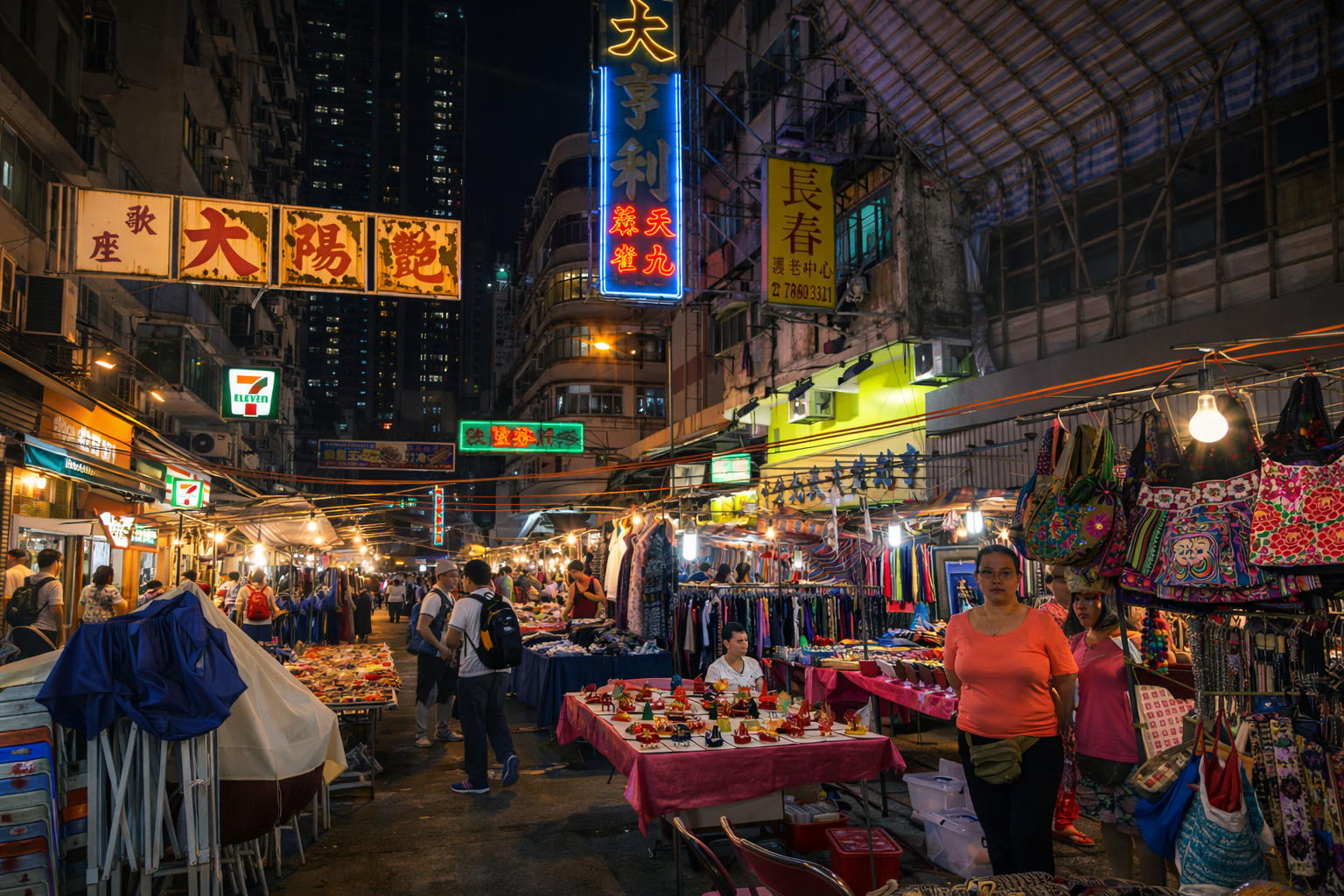
Movement defines the experience
Mobility is the mechanism that connects these layers.
In high-functioning urban environments, average travel time between key zones is compressed, often within 10–20 minutes. This allows individuals to interact with multiple environments within a single time frame, effectively multiplying the value of the city.
The experience is built through transitions. Elevation changes, shifts in light, density of space — all contribute to how the city is perceived. From above, structure dominates. At street level, variability takes over.
This duality is not incidental. It is what allows the system to remain coherent while accommodating complexity. The city does not present itself as a single narrative, but as a sequence of controlled contrasts.
Urban life, in this sense, is not defined by location, but by movement between locations.
The integration of lifestyle and design
A critical shift in recent years is the collapse of functional boundaries. Spaces are no longer optimized for a single purpose. Mixed-use developments now account for a growing share of urban construction, combining residential, commercial, and cultural functions within unified environments.
This integration is reflected in behaviour. Work, leisure, dining, and social interaction are no longer separated by space or time. They coexist within the same environments, often within the same day.
Design adapts accordingly. Interiors are no longer purely aesthetic — they are operational systems. Lighting is layered to support different uses, materials are selected for both durability and atmosphere, and layouts prioritize flow rather than segmentation.
The most effective spaces reduce friction. They allow transitions without requiring adjustment.
A quieter definition of luxury
Luxury, in this context, becomes structural rather than visible.
It is defined by coherence — the alignment between space, function, and experience. In cities where urban lifestyle, dining culture, and premium environments operate as a unified system, the perception of quality becomes continuous rather than episodic.
Data from urban consumption patterns shows that users increasingly value consistency over peak experiences. The ability to rely on a certain level of quality across multiple interactions is more influential than isolated high-end moments.
This shifts the role of luxury. It is no longer an event. It is a condition.
Conclusion
Luxury is no longer a place the modern city directs you toward.
It is embedded within the structure of everyday life.
Not expressed through scale, but through proximity. Not through excess, but through consistency. Not through separation, but through integration.
The next phase of urban experience will not be defined by accumulation, but by how seamlessly every element connects.

Oliver Grant
Travel & Active Lifestyle Writer
Oliver explores cities through movement, focusing on cycling as a way to experience culture, architecture, and local identity. He writes about bike travel, urban routes, and active lifestyles, combining storytelling with practical insight. His work has been recognized in digital travel journalism circles, where he has contributed to features on European cycling culture and experiential travel trends.
Advertise With Toronto Union 24
Reach over 500,000 engaged Canadian readers monthly. Premium placements available for Q2 2026.
Learn More Aila Kenuak
  Ethan Walker